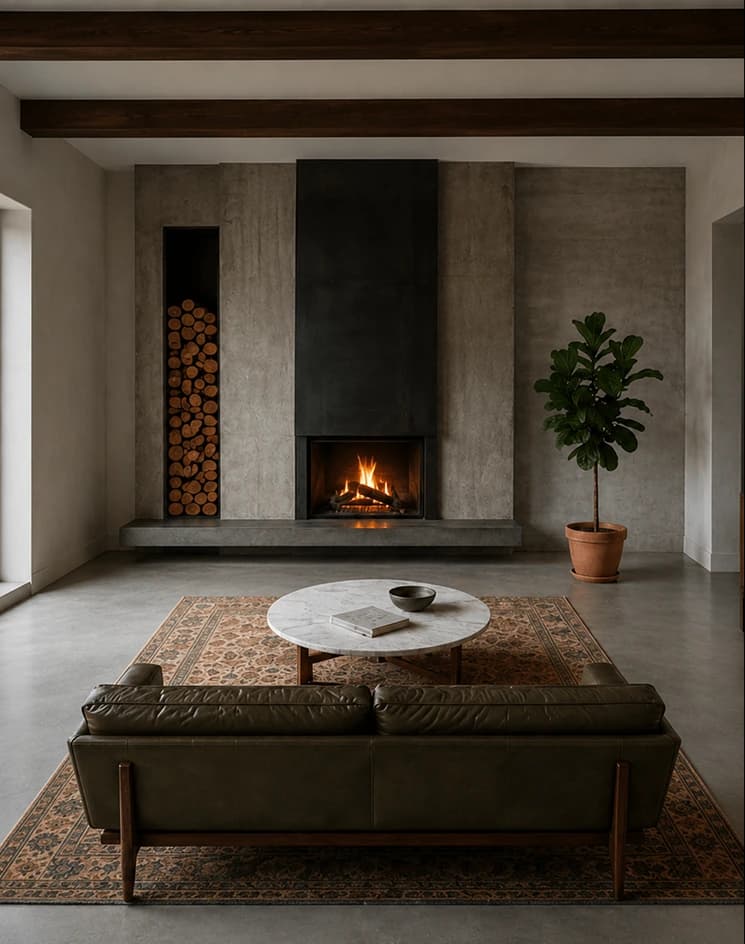
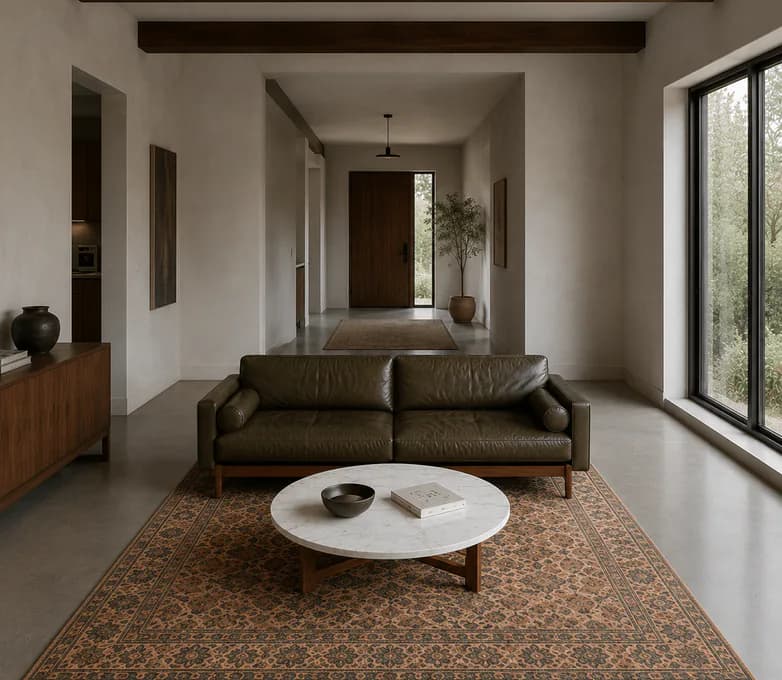
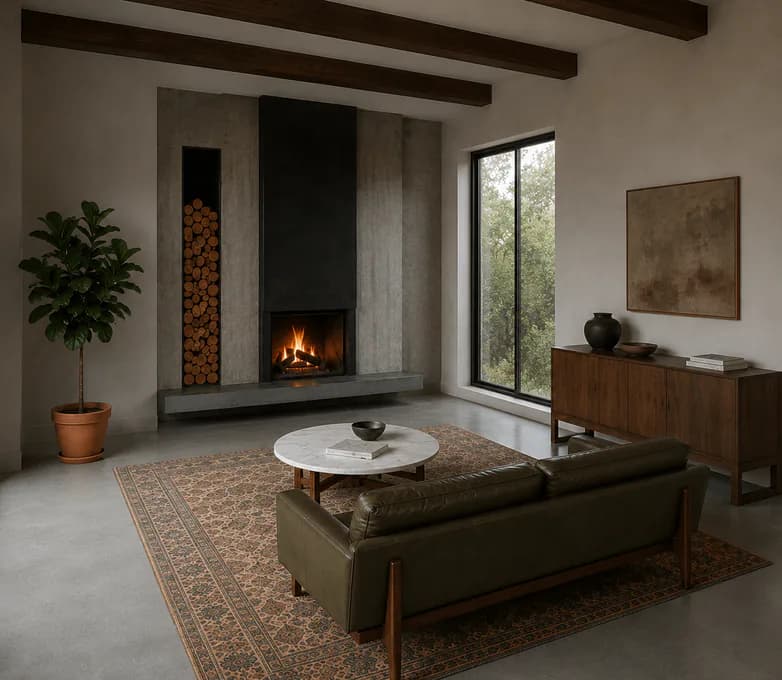
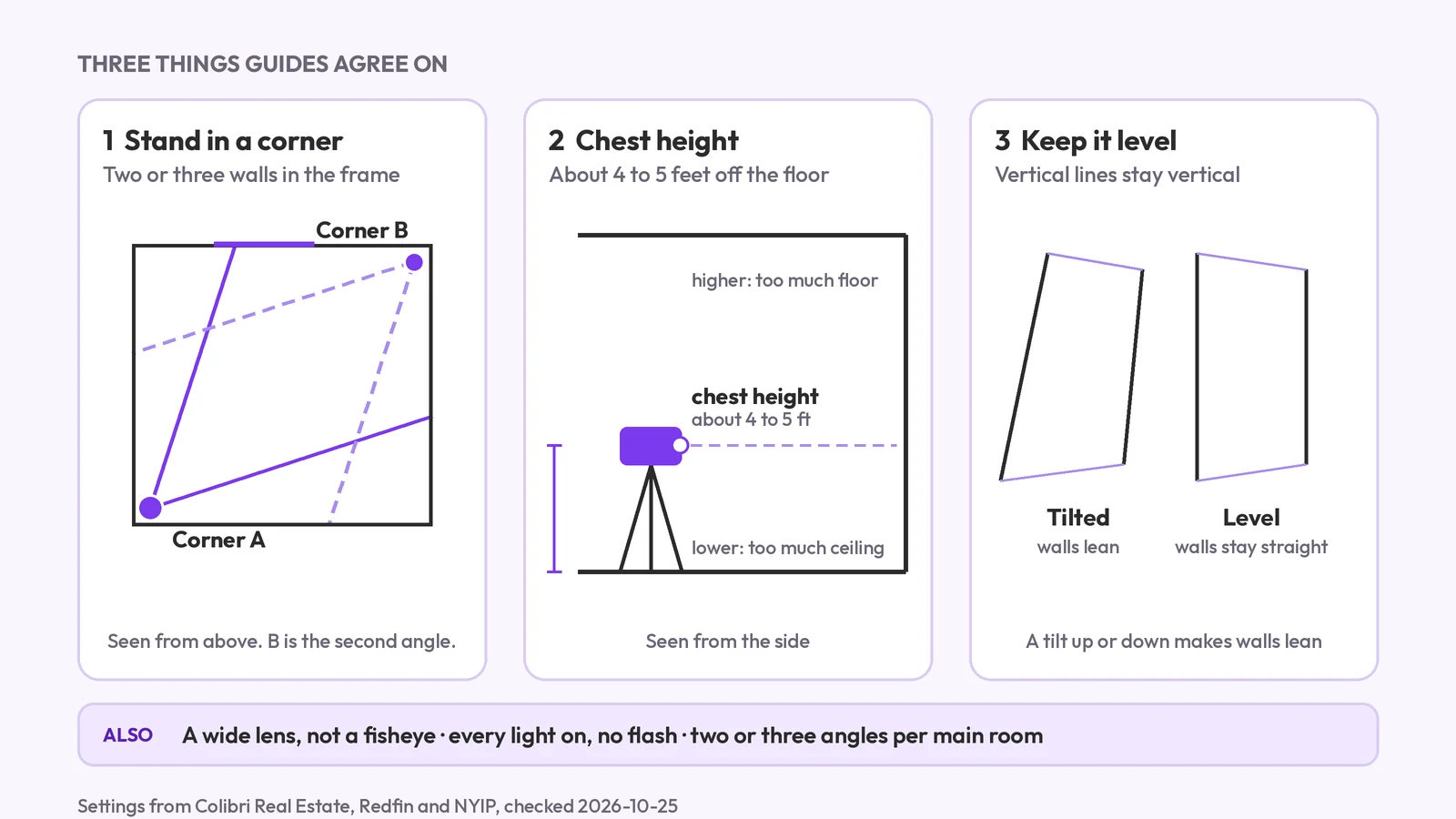
How to photograph a room for a listing: the angles
How to photograph a room for a listing: camera height, corners, lens, light and the angles to take, plus how one photo can show the other views for planning.
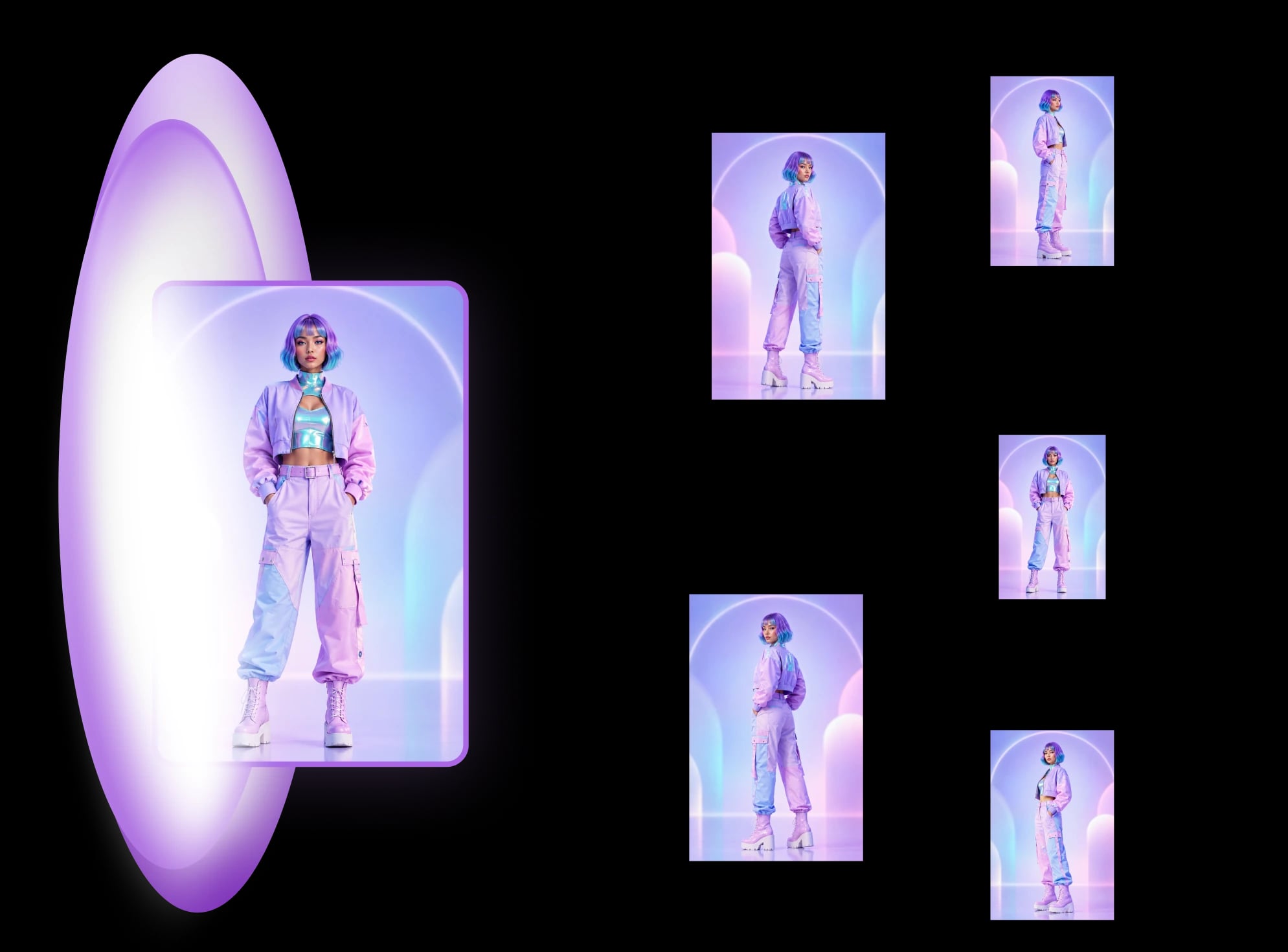
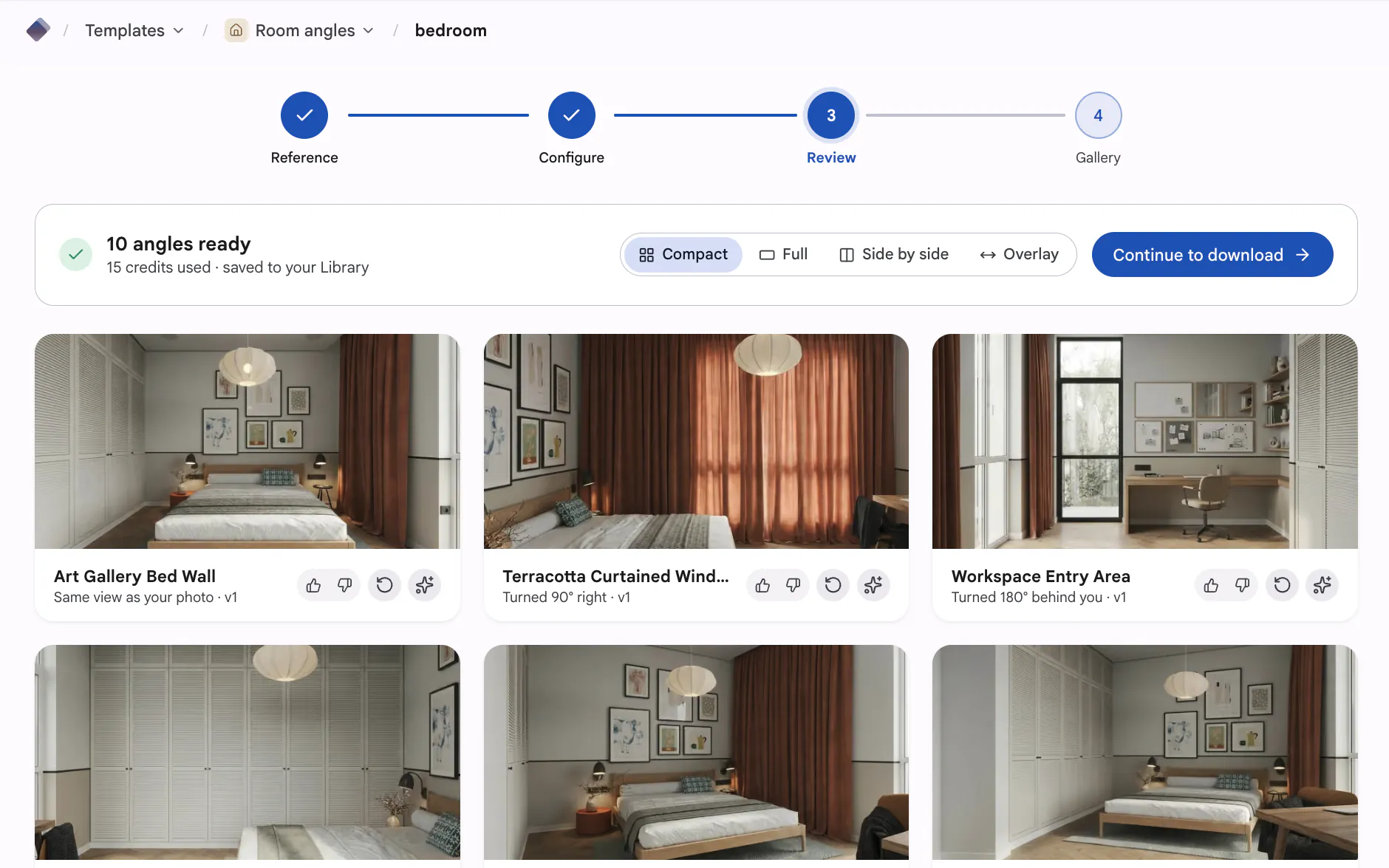
Your reference photo already contains every other shot. MultiAngle divides it out — 8 consistent angles (10 for a room), labeled and export-ready.
Drop one reference and get a finished set back, with identity and lighting locked and every angle in a single timeline to review. No tab-switching, no re-prompting. Every angle comes from a fixed set you pick from: how the AI angle generator works.
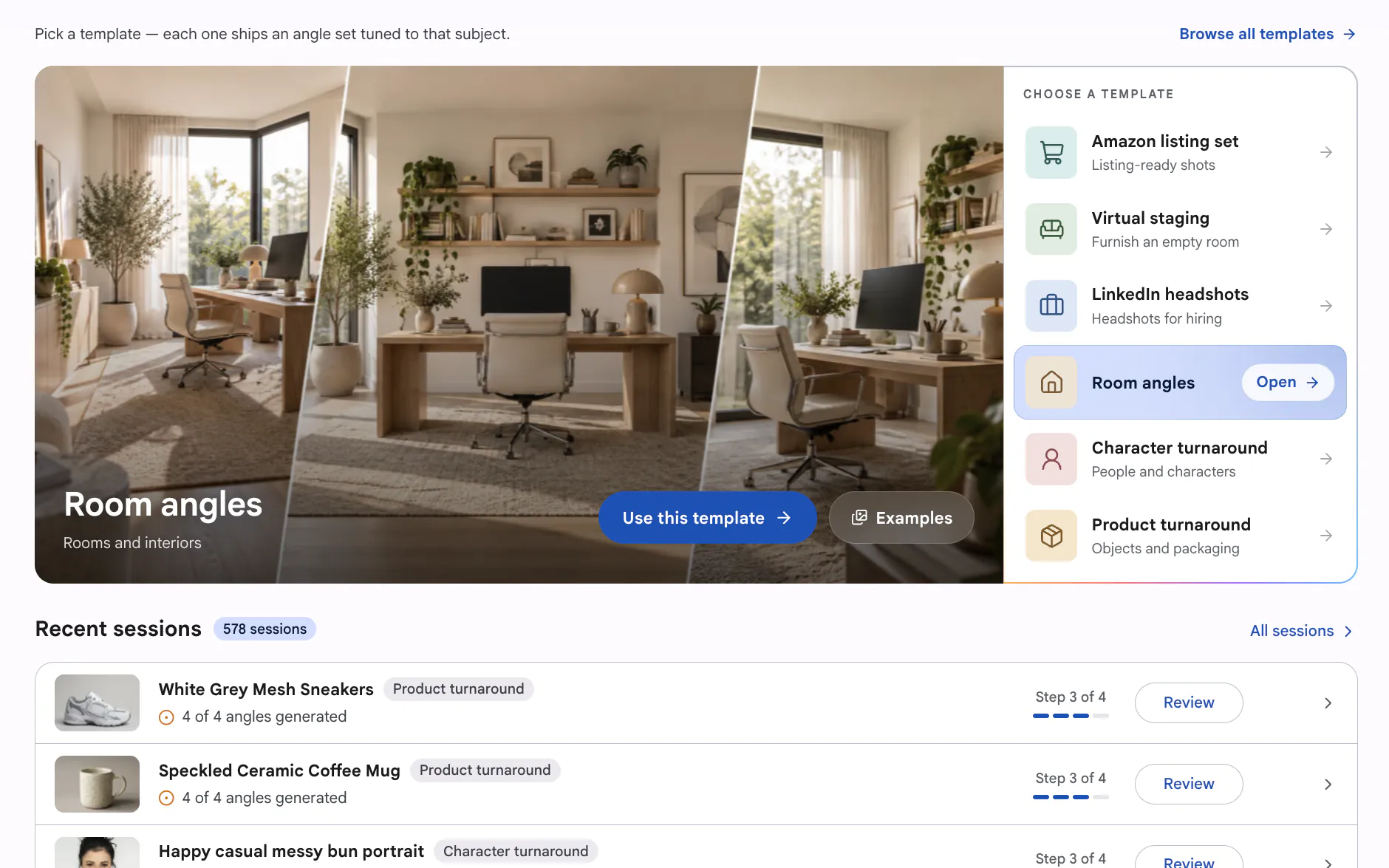
Land in your studio and pick a template — Room angles, Character turnaround, or Product turnaround. Each one knows the right angle set for the job.
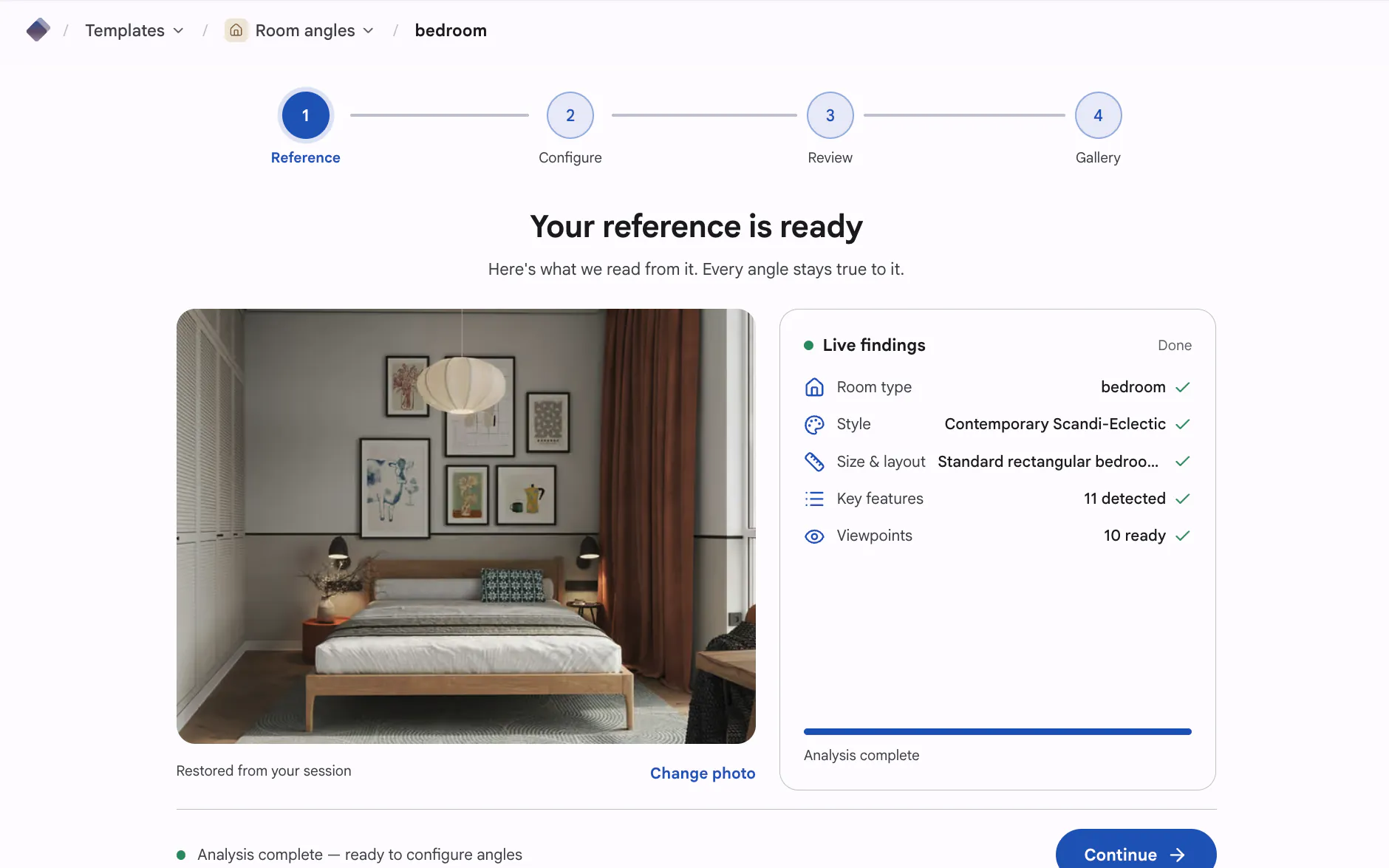
Drop a single photo — product, person, or space. The engine extracts what makes it unique.
Pick exactly which angles to shoot and how many variants of each. Paid plans can add a prompt to steer style, mood, and lighting.
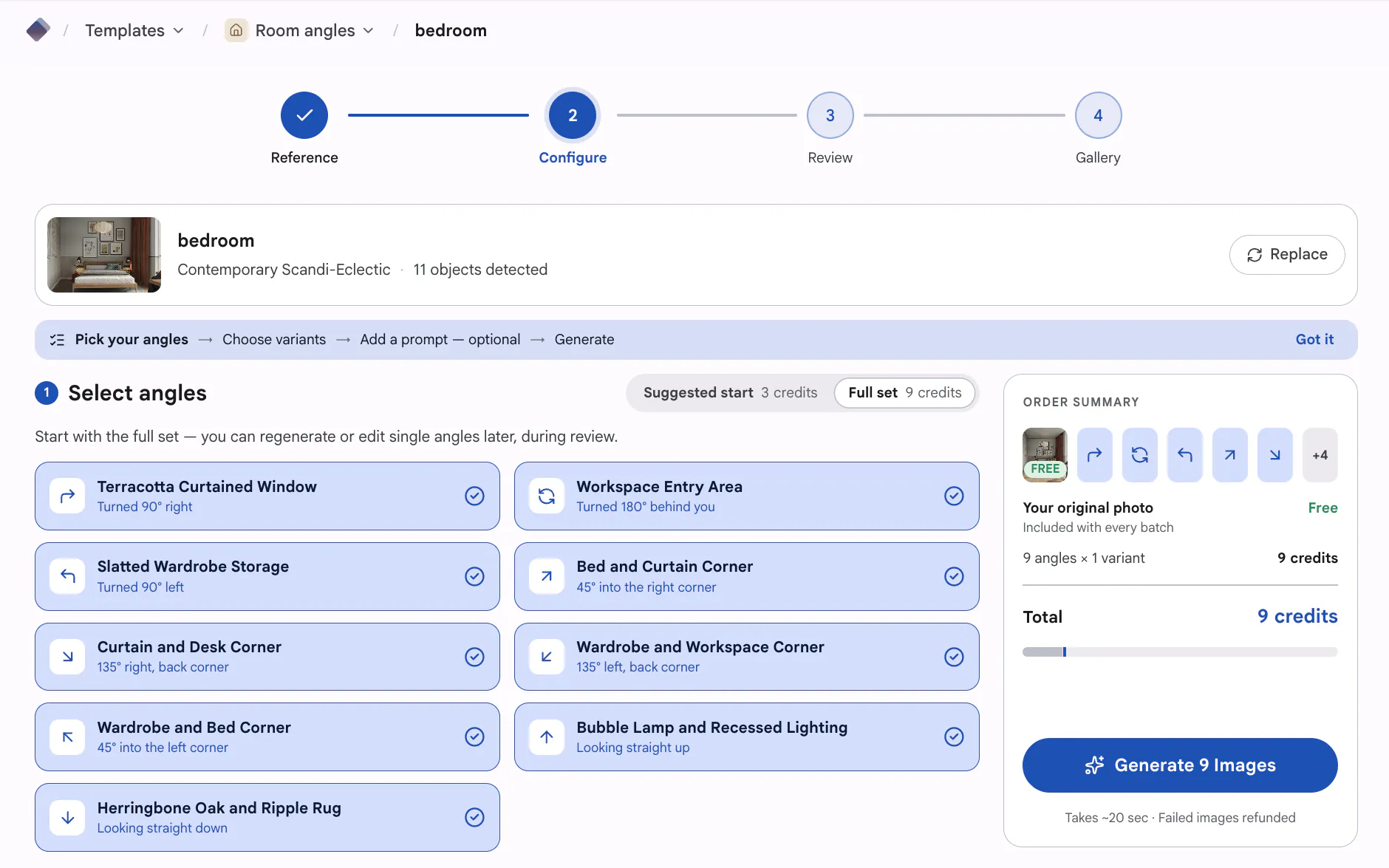
Every selected angle renders in parallel, each with its own variants. Watch the full set fill in as frames complete.
Pick a plan that fits how you create. Switch any time — pay annually and get 2 months free.
For agencies and high-volume teams.
Need more credits? One-time packs: 10 credits for $4.99, 40 credits for $9, 120 credits for $25 and 320 credits for $59. Top-up credits never expire. See all packs in the app
Multi-angle AI image generation, identity consistency, pricing, and commercial-use answers — for product, character, and environment work.
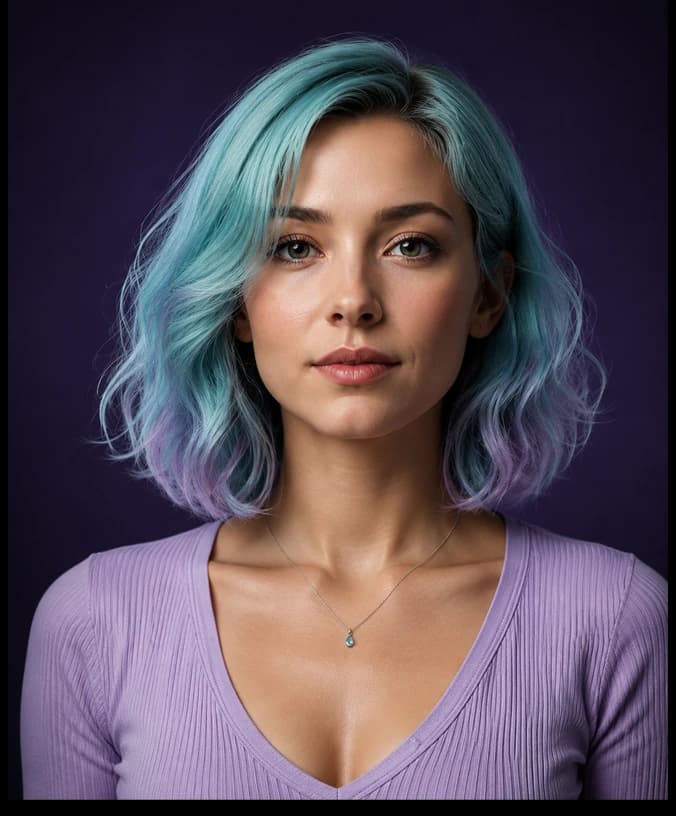
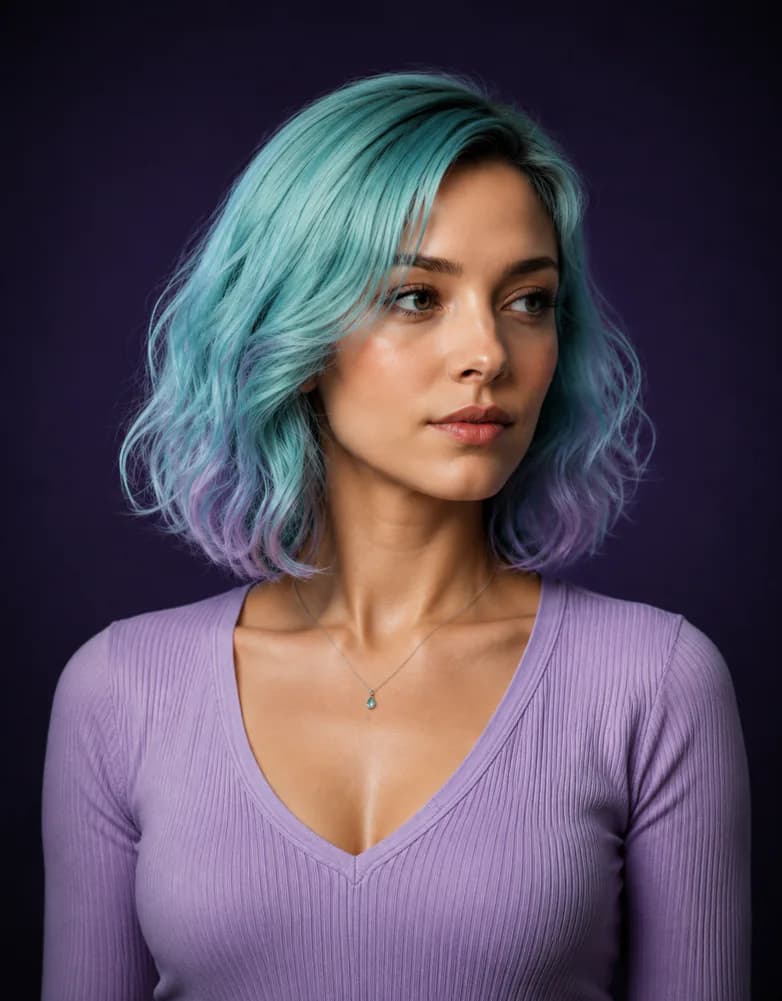
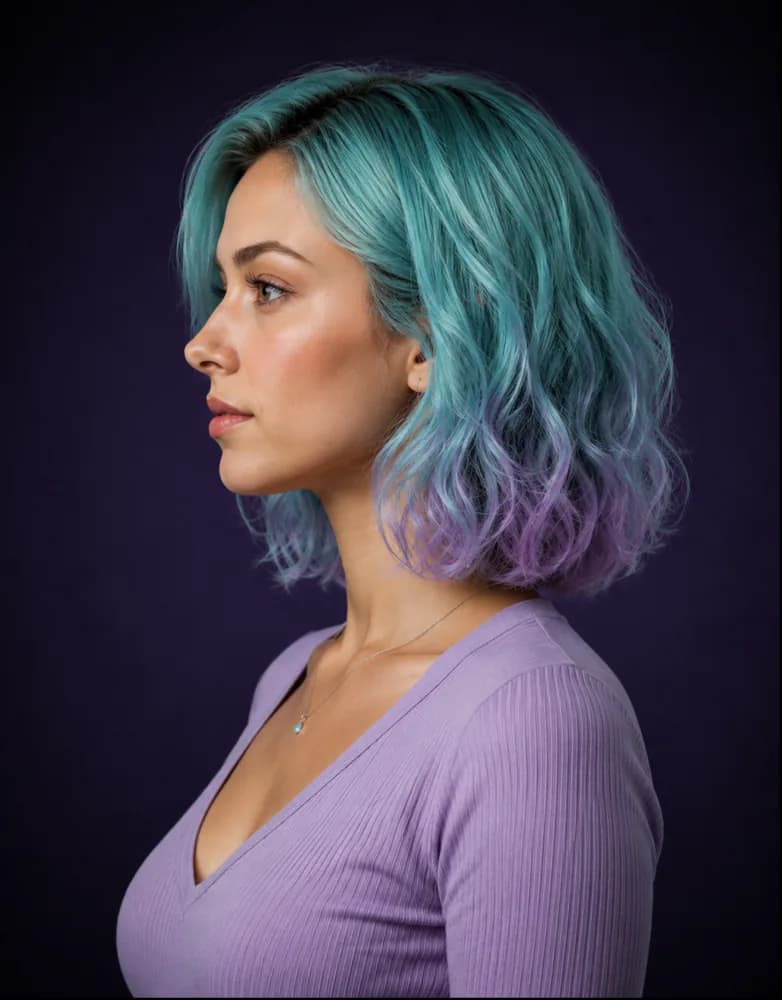
Upload one reference photo, MultiAngle.ai locks the identity, lighting, and style from that single image, then generates a coherent multi-angle set: 8 views of a person, character, or product, or 10 views of a room, your photo included. The whole flow runs in one workspace, with no re-prompting between angles.
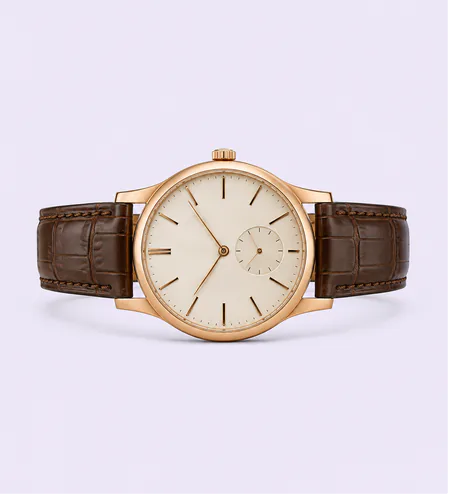
An angle set is a coherent group of AI-generated images showing the same subject — a product, person, or environment — from different camera angles, with identity, materials, and lighting locked across every frame. For a character it's usually called a turnaround sheet. MultiAngle delivers the set as separate still images (PNG, JPEG and WebP, or a ZIP of the set), not as an interactive spin.
Yes — identity preservation is the engine's job. The face, skin tone, hair, clothing, and lighting stay locked across every frame in the set. That's what separates MultiAngle.ai from prompt-only tools like Midjourney that drift between generations.
Midjourney, Stable Diffusion, and Sora generate one image at a time and drift between prompts. MultiAngle.ai is built around angle sets — one reference in, a consistent multi-angle set out. Same subject, same lighting, every frame, ready for ecommerce, character work, or 3D reference.
Every plan downloads PNG, JPEG and WebP — one angle at a time, or the whole set at once as a ZIP (batch export). Ready for ecommerce listings, ad creative, decks, animation pipelines, and 3D reference.
You choose them. Start from a suggested set or the full set, or pick exact angles one by one. During review you can regenerate any single angle without disturbing the rest of the set. Paid plans also get the prompt field, and Improve (edit one angle) on Room angles and Product turnaround.
Newest first. Browse every guide on the blog.
How to photograph a room for a listing: camera height, corners, lens, light and the angles to take, plus how one photo can show the other views for planning.
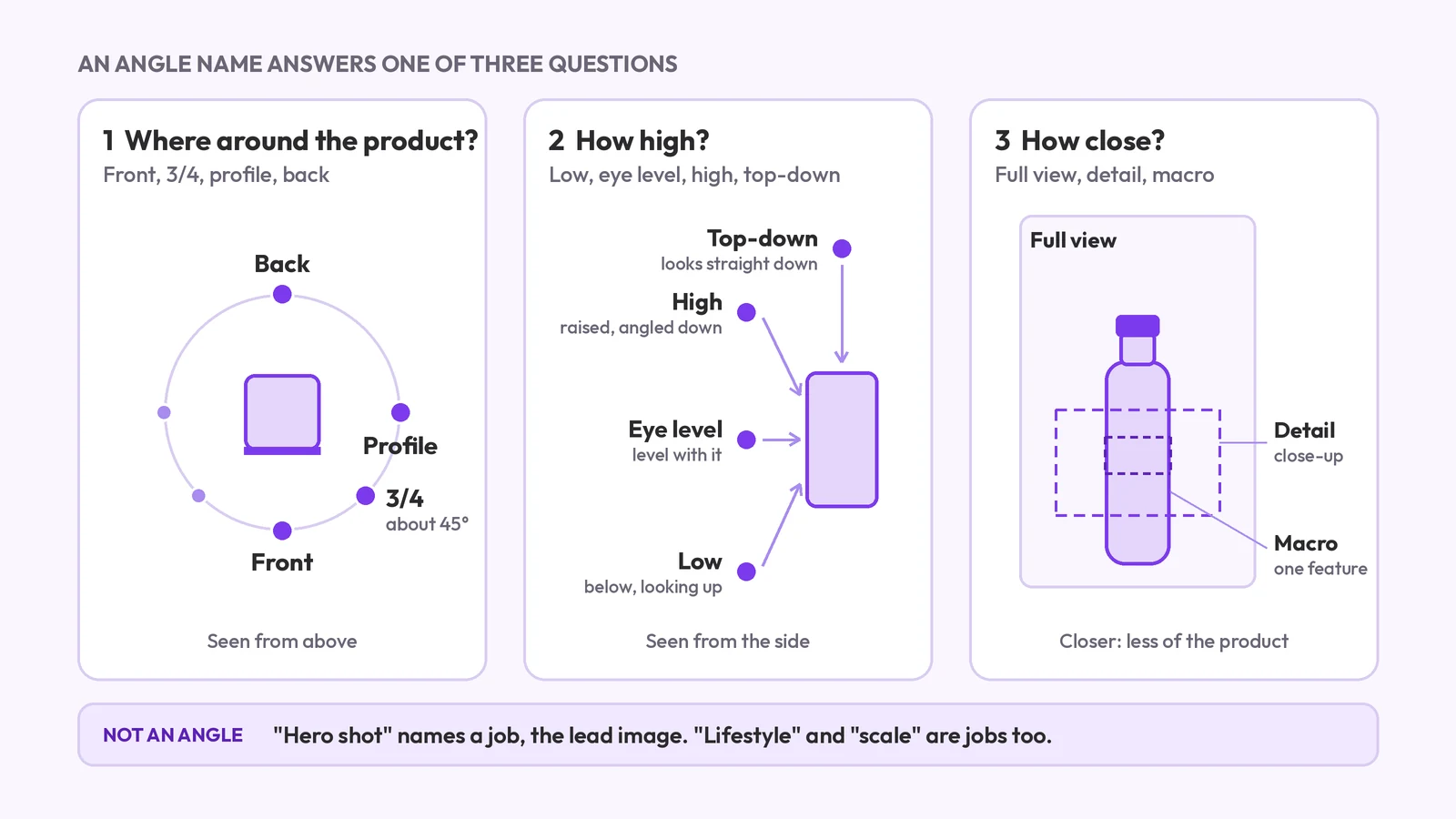
Product photography angle names: front, 3/4, profile, back, high, low, top-down and detail. What each means, which products need which, and what a set covers.
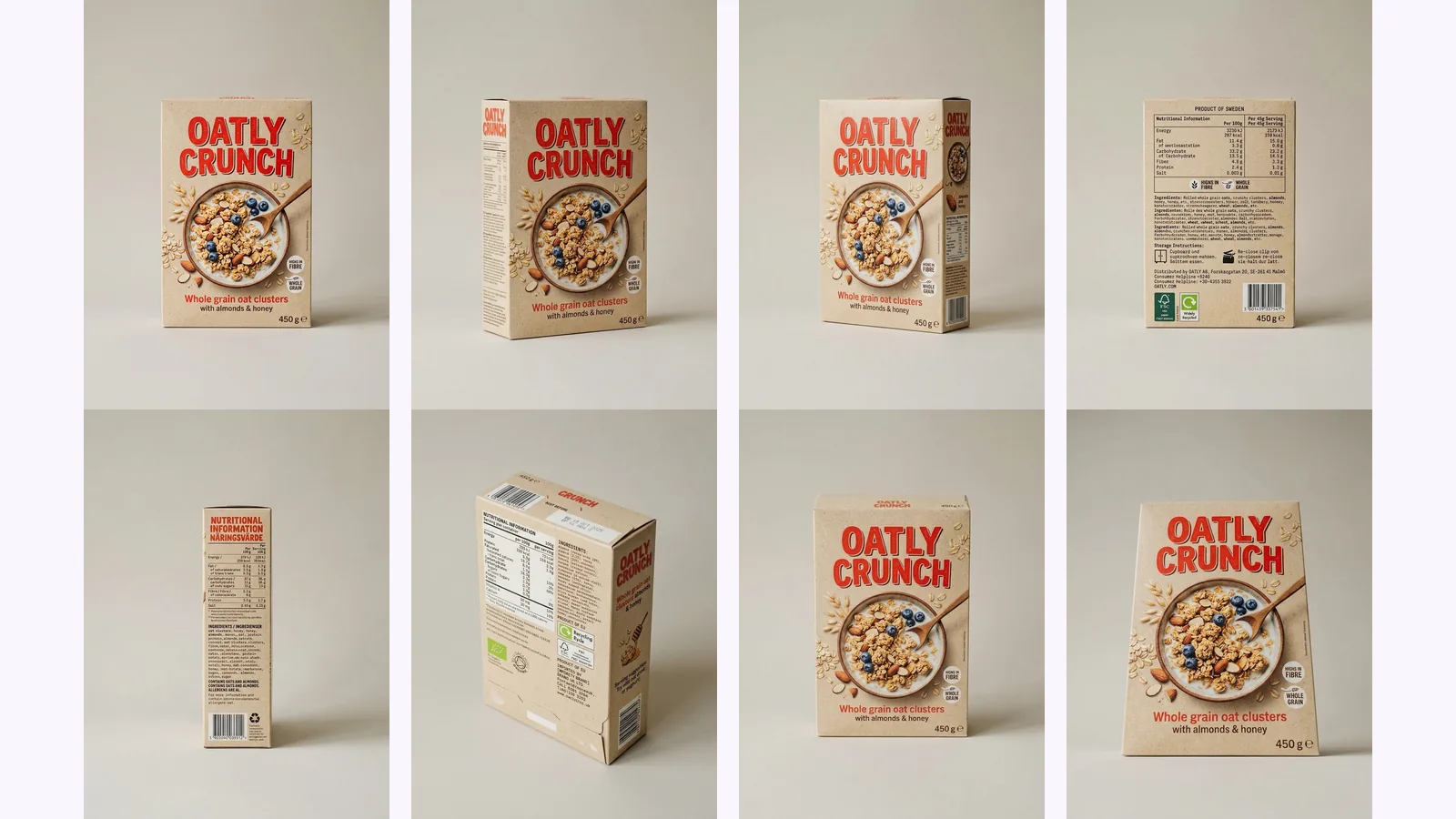
A Nano Banana different angles prompt, tested: eight copy-paste prompts run through the Gemini API on a box, a character and a room, and what drifted.
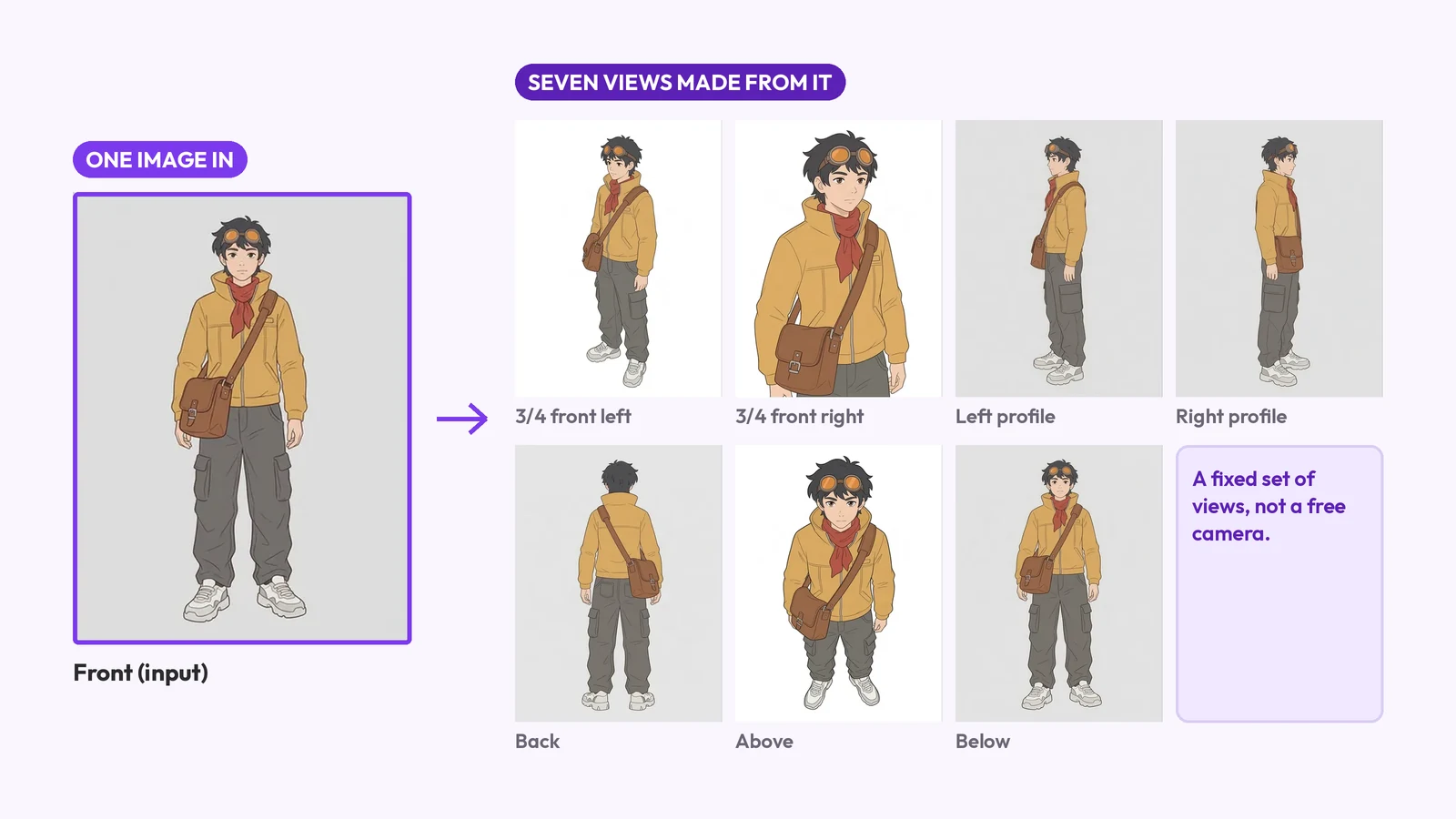
An avatar template is a profile-picture design, a game body, an AI restyle or 8 views of one character. What each is, and how to make the last.
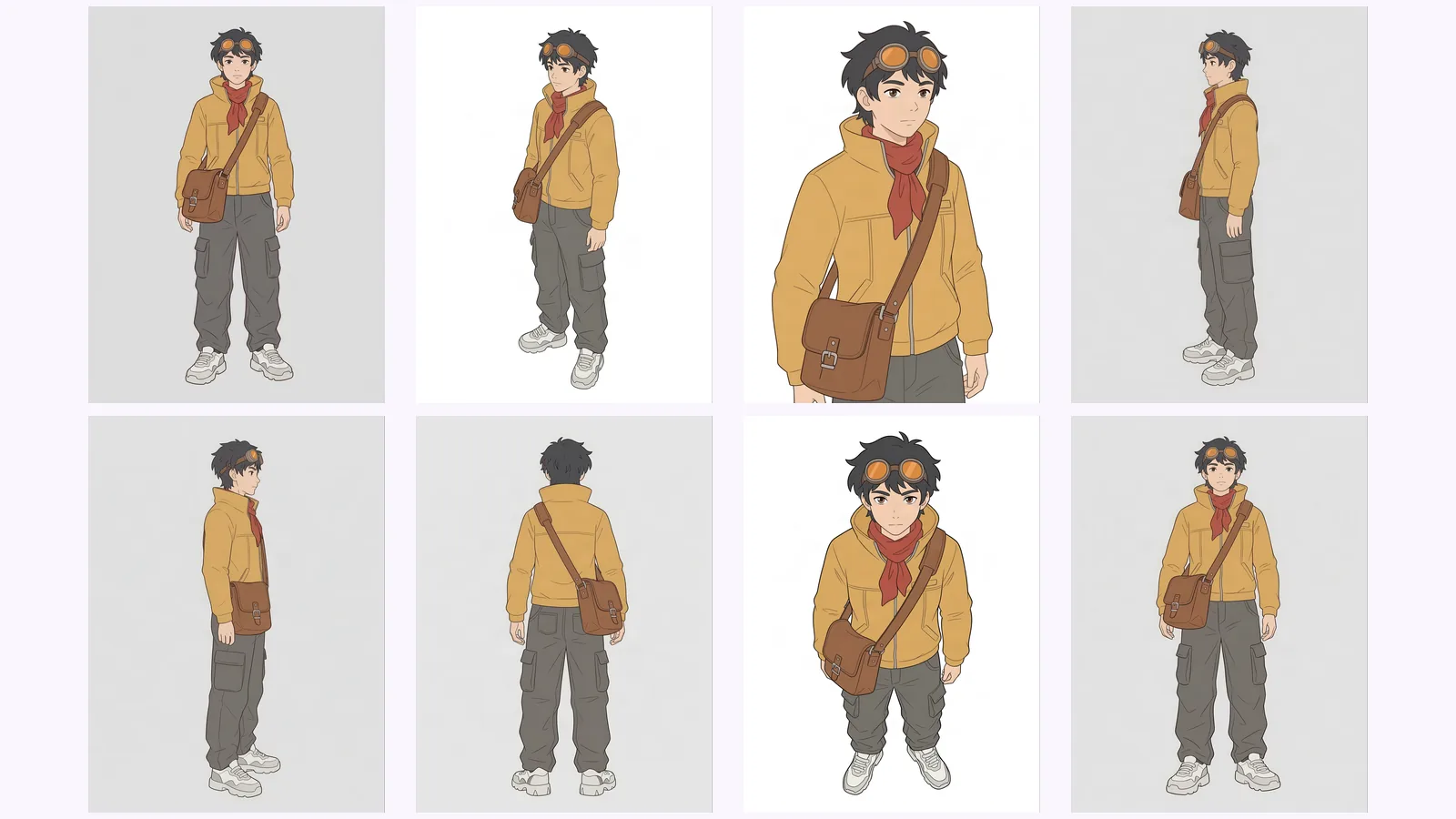
Keep an AI character consistent across angles: lock one reference, generate every view as one set, then check each view against a short list of anchor traits.
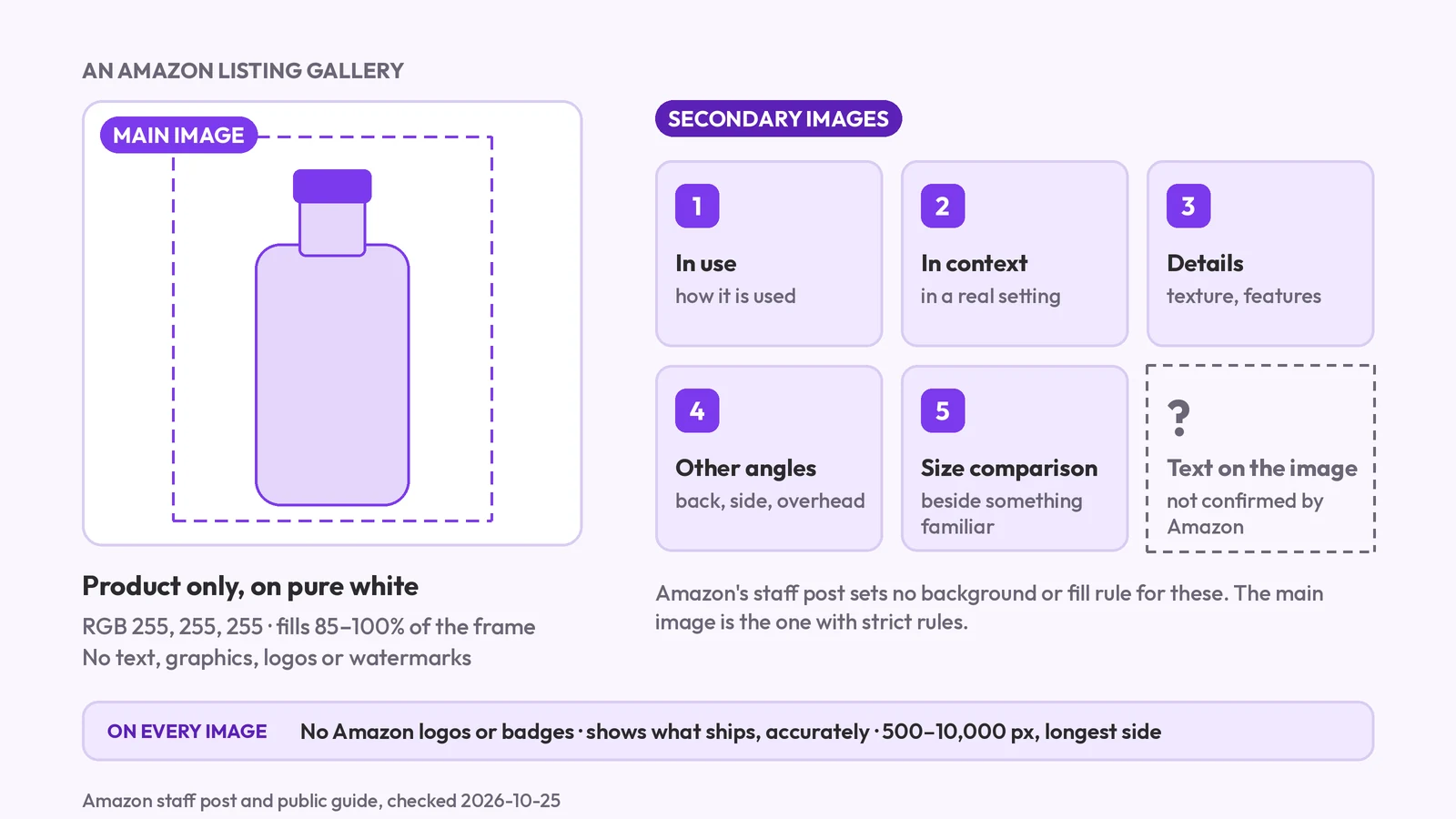
Amazon's main image must be pure white with no text; secondary images are looser. What each slot may show, the AI-people tag, and what we couldn't confirm.