How to photograph a room for a listing: the angles
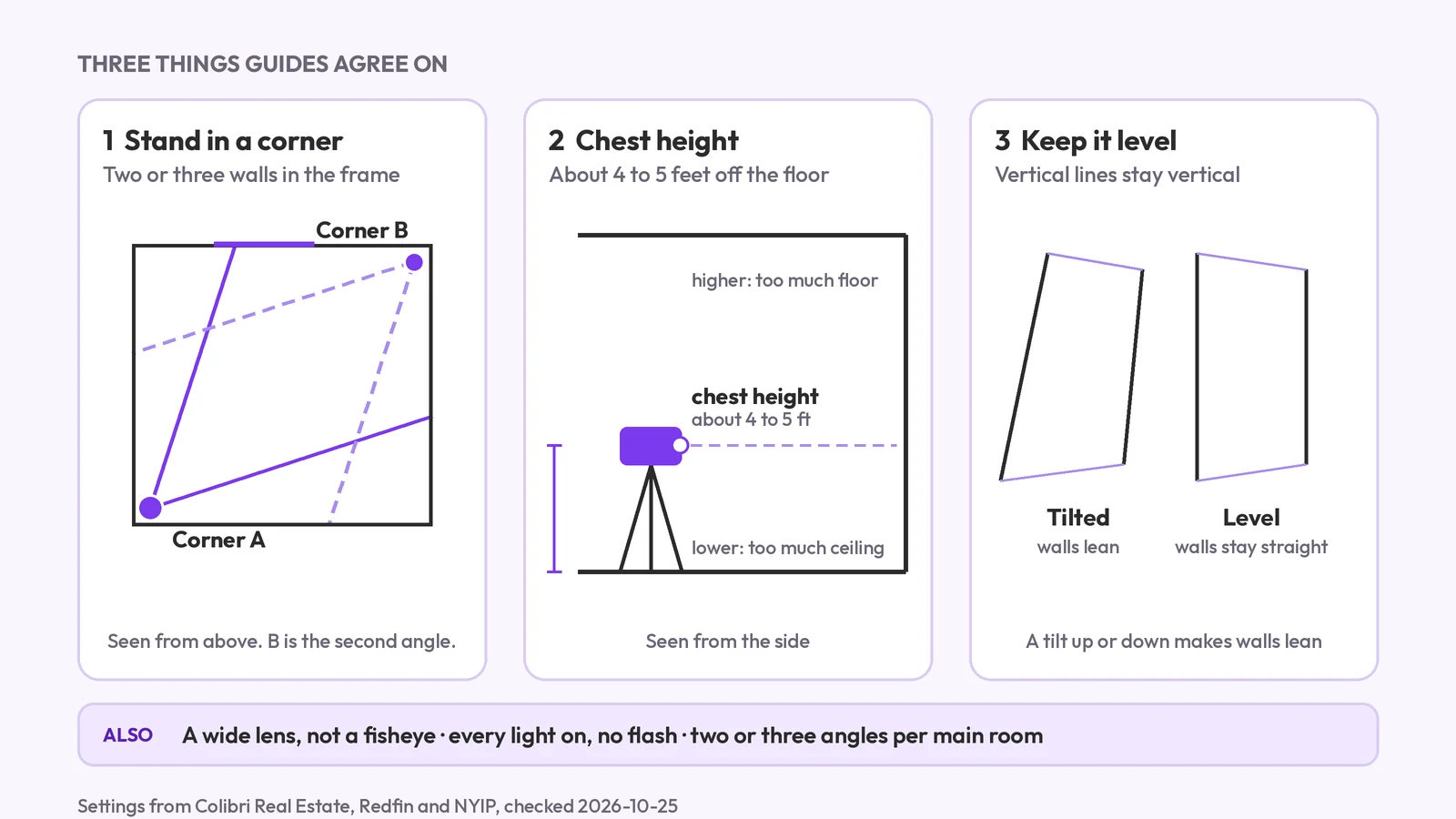
How to photograph a room for a listing: camera height, corners, lens, light and the angles to take, plus how one photo can show the other views for planning.
Workflows, model notes, and field tips from the team building the multi-angle engine.
How to photograph a room for a listing: camera height, corners, lens, light and the angles to take, plus how one photo can show the other views for planning.
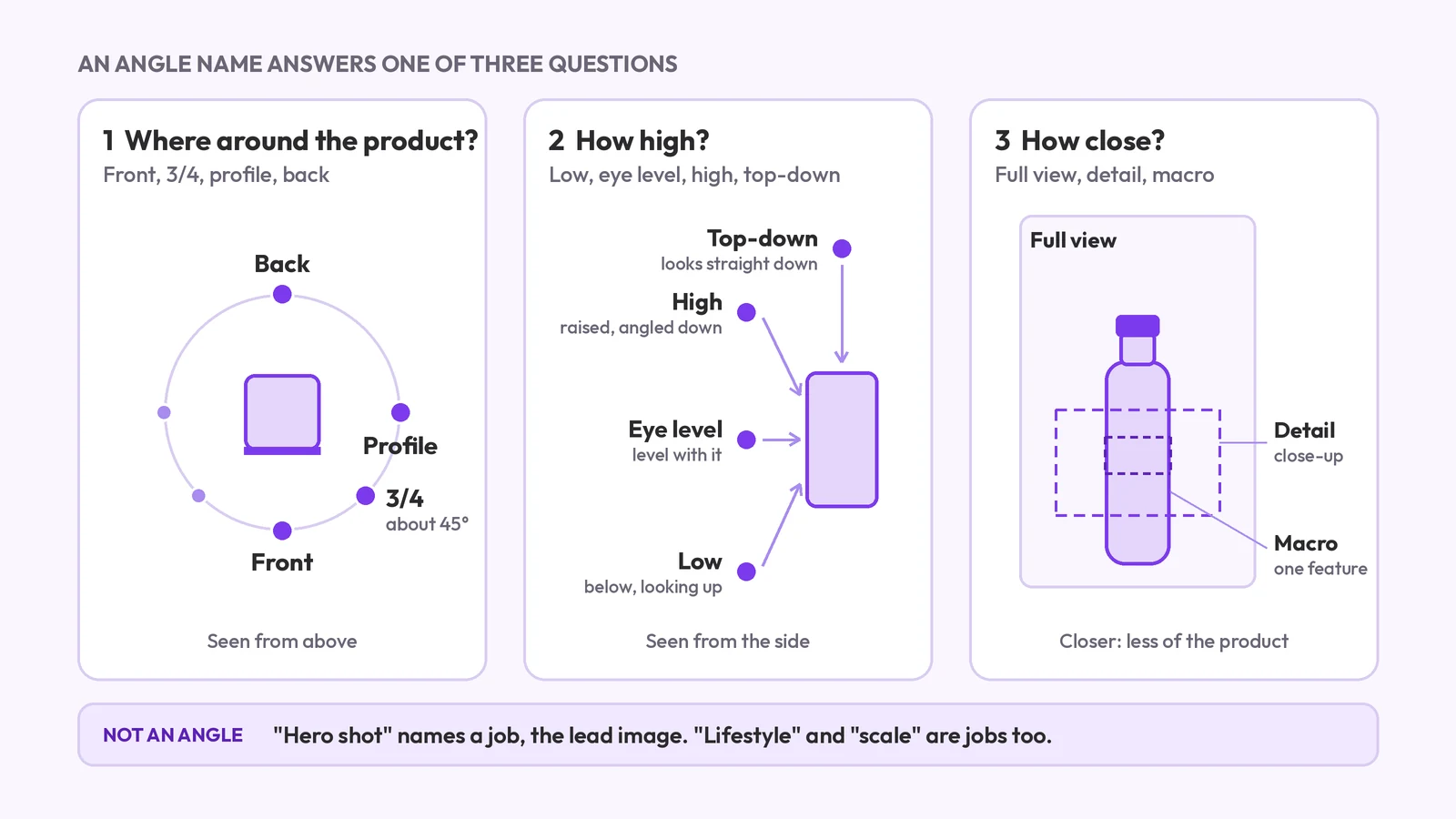
Product photography angle names: front, 3/4, profile, back, high, low, top-down and detail. What each means, which products need which, and what a set covers.
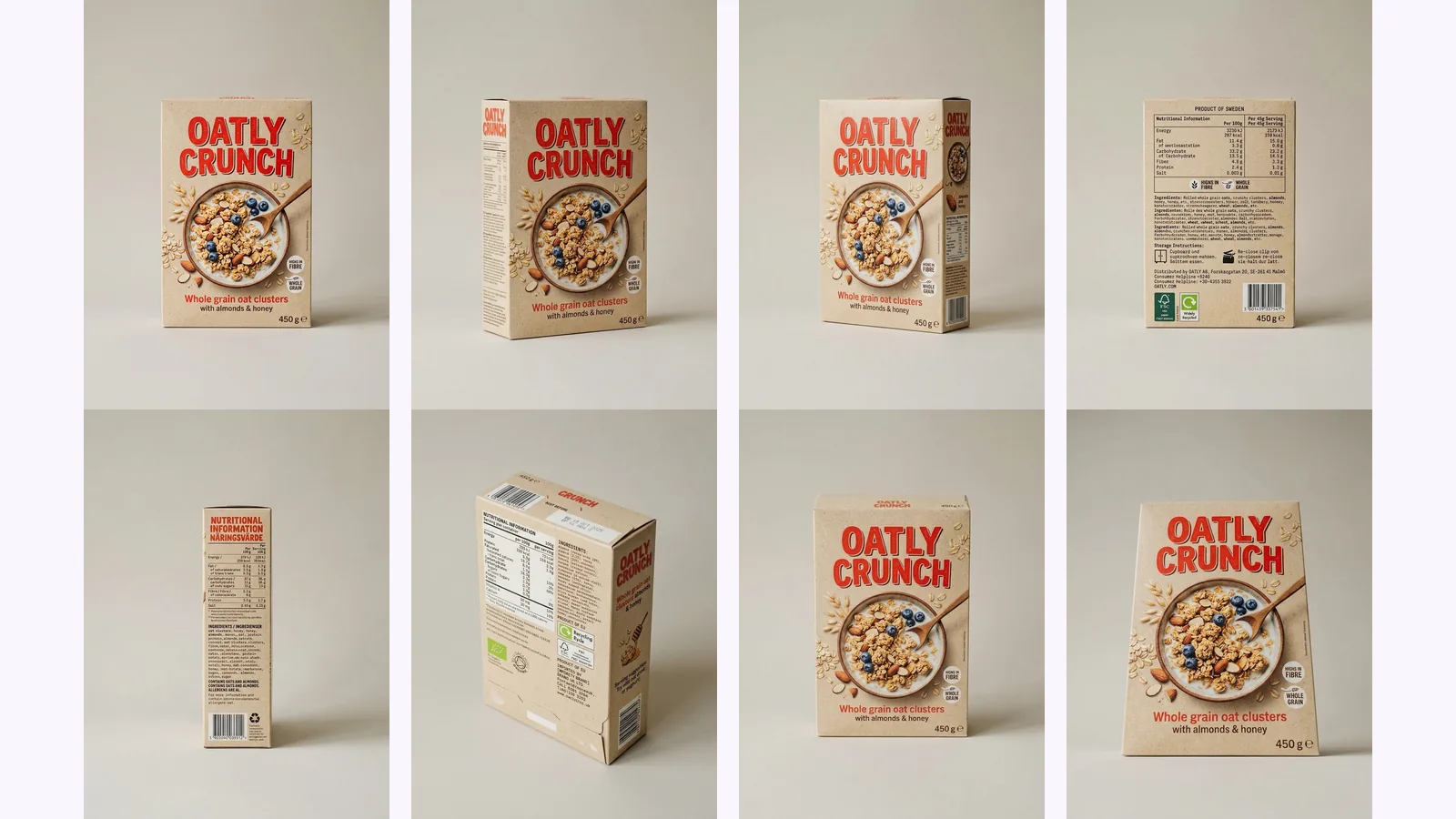
A Nano Banana different angles prompt, tested: eight copy-paste prompts run through the Gemini API on a box, a character and a room, and what drifted.
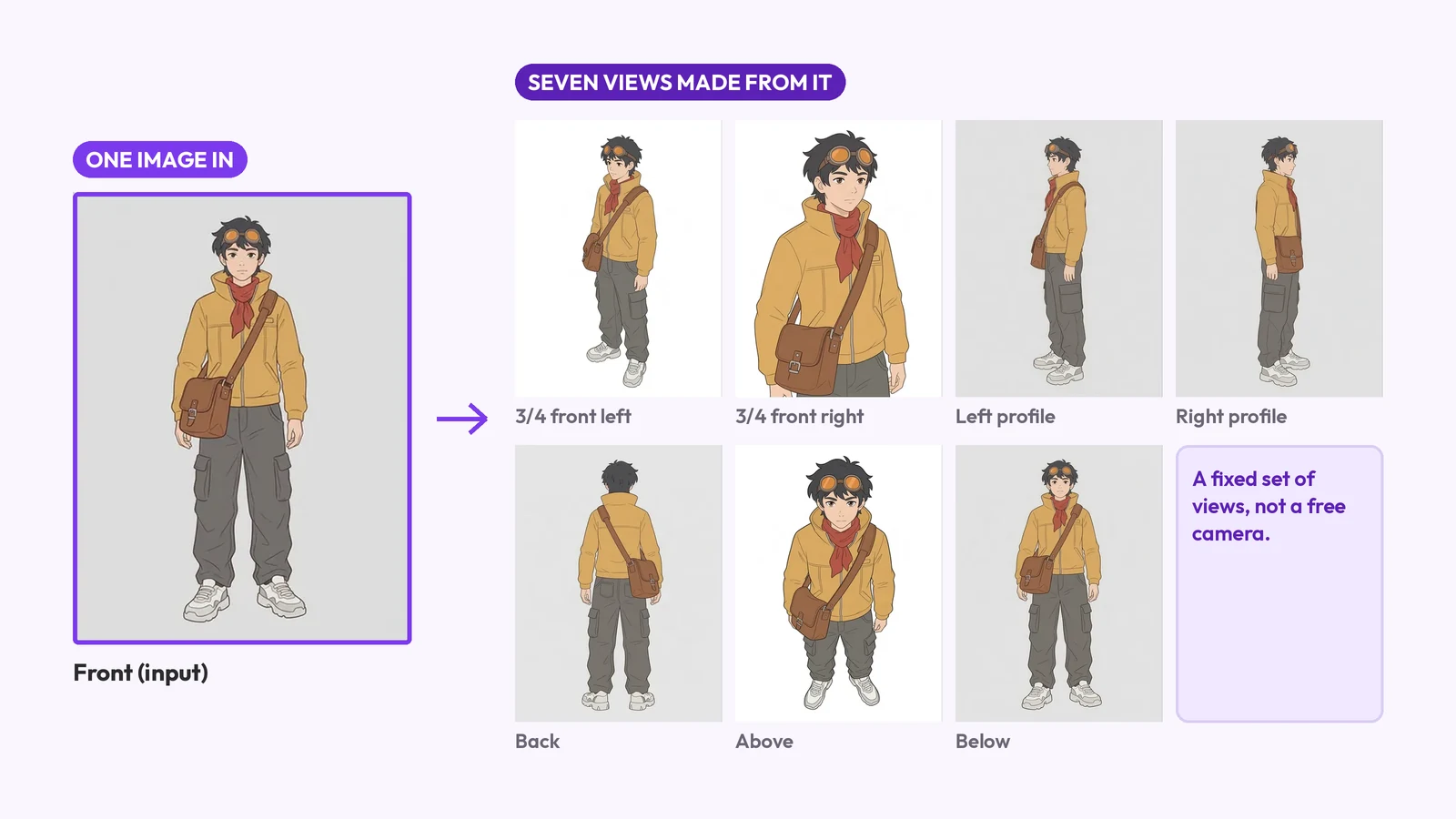
An avatar template is a profile-picture design, a game body, an AI restyle or 8 views of one character. What each is, and how to make the last.
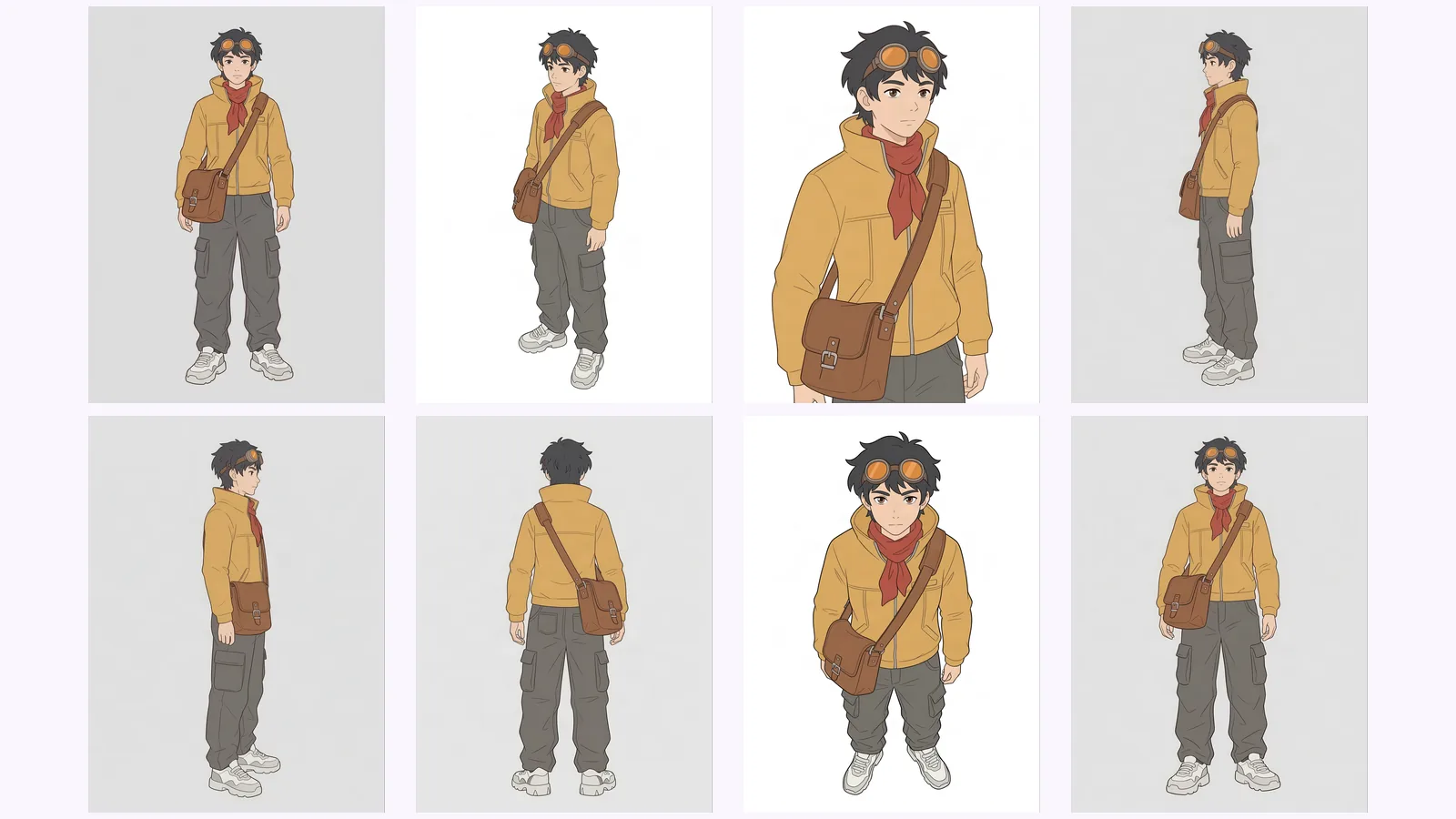
Keep an AI character consistent across angles: lock one reference, generate every view as one set, then check each view against a short list of anchor traits.
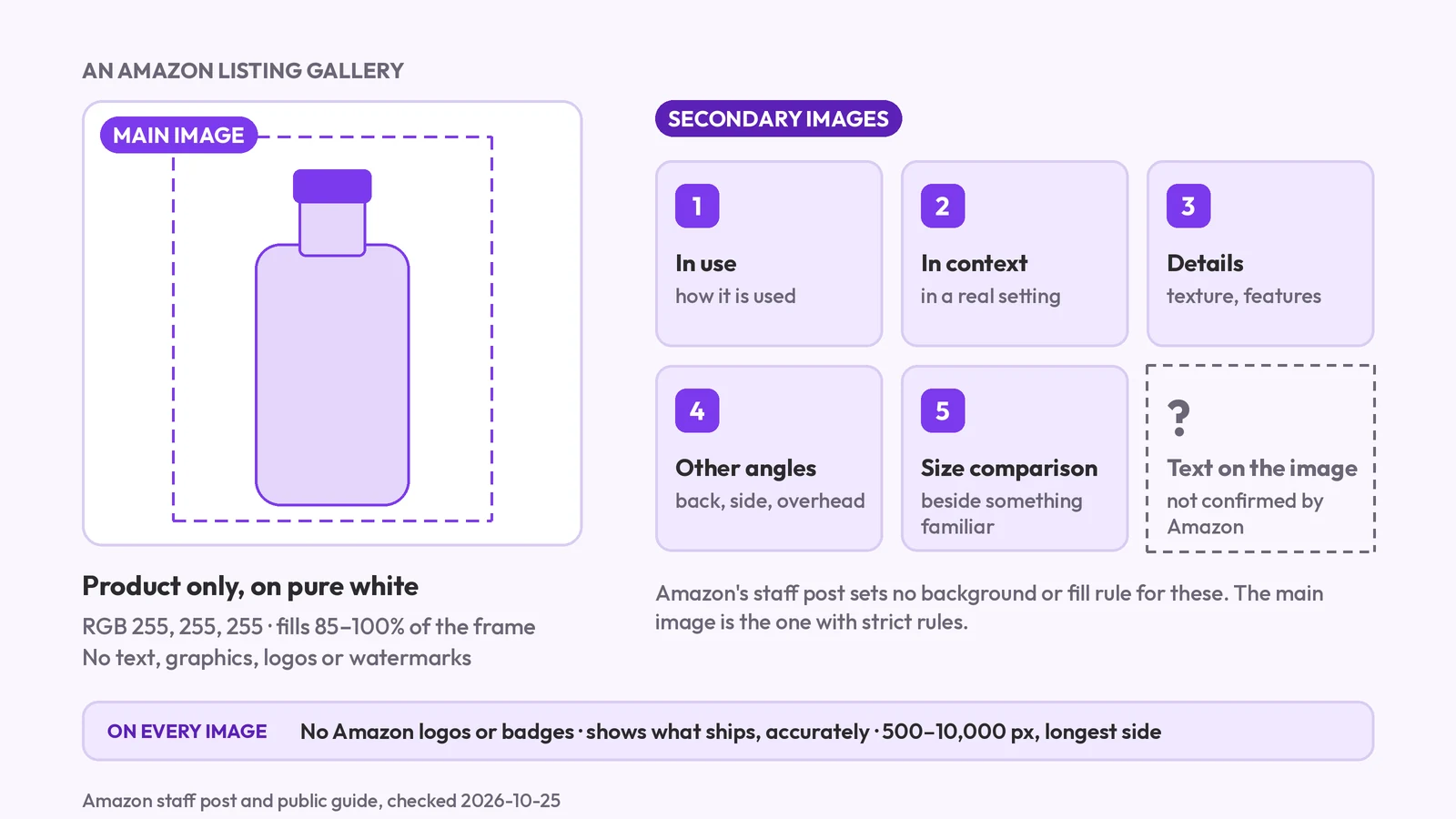
Amazon's main image must be pure white with no text; secondary images are looser. What each slot may show, the AI-people tag, and what we couldn't confirm.
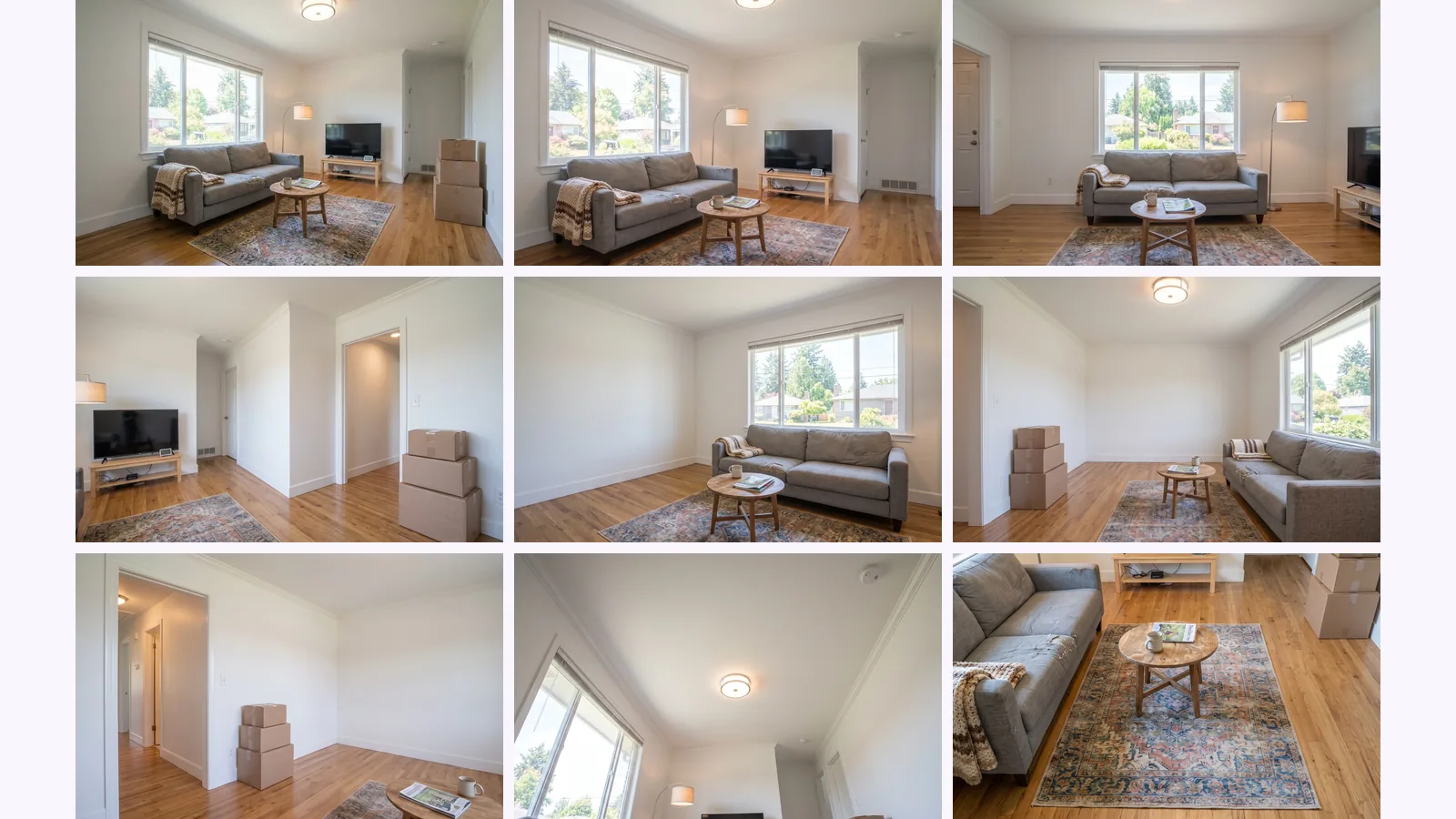
Can AI show a room from different angles? One photo became 10 views, each tagged seen, partly seen or invented, and where it fails.
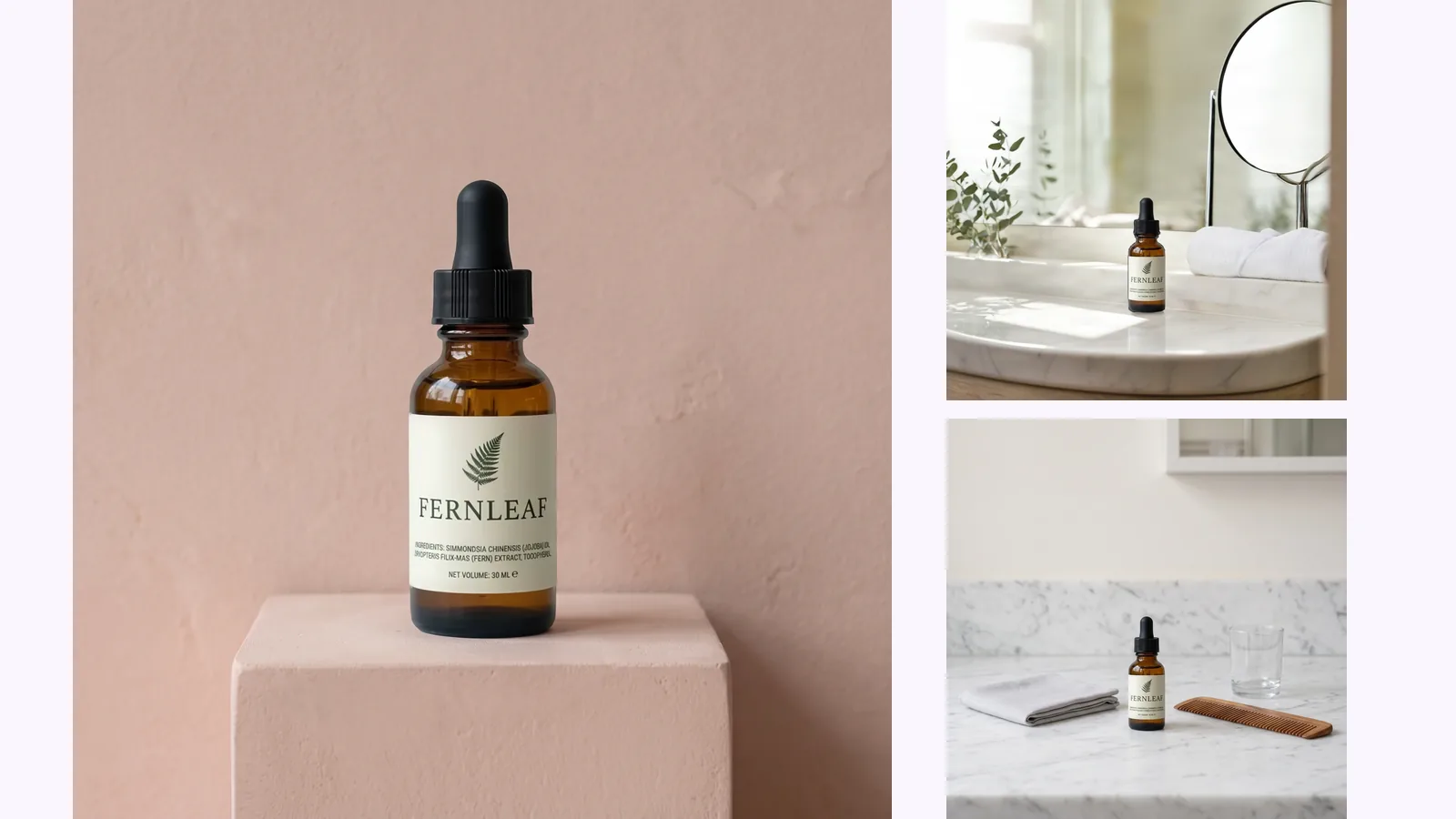
Amazon lifestyle images explained: the in-use, styled and scale scenes, whether AI scenes are allowed, the AI-people tag, and how to check the label survived.
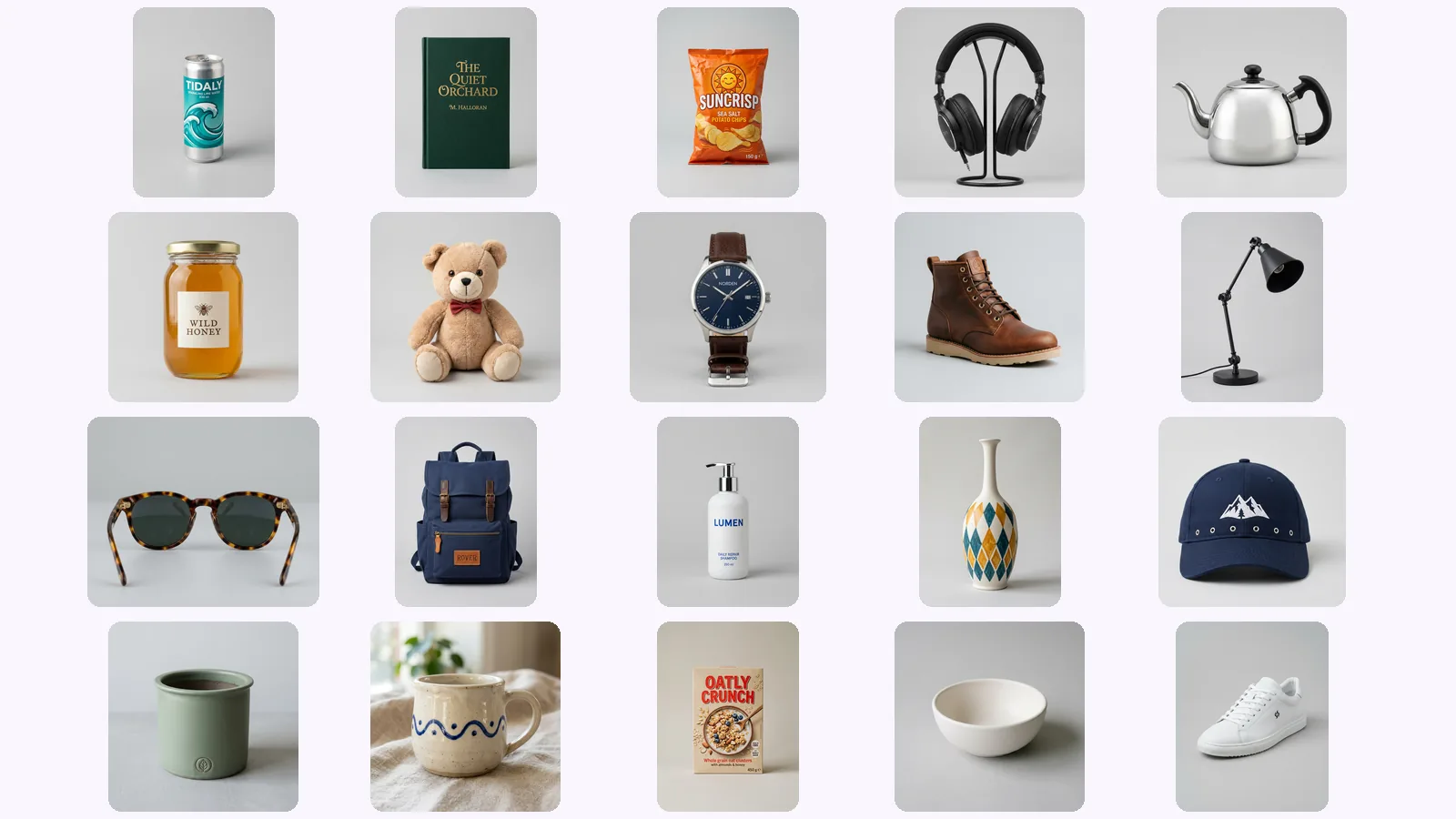
We scored 139 generated views of 20 AI-made products on six checks. Where AI product photos drift: the back view, garbled lettering, a level 'below'.
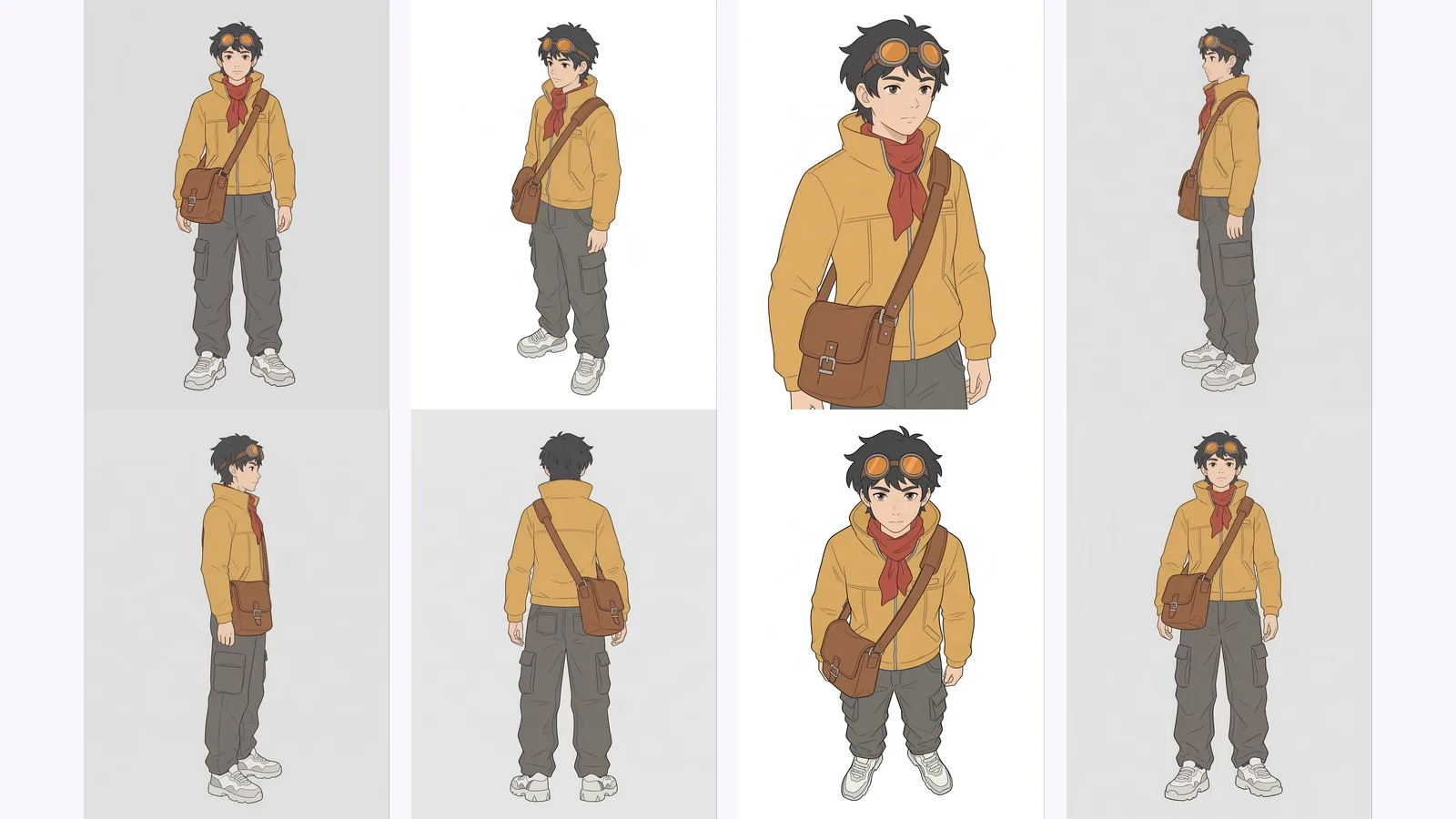
Multi-view images for 3D: the views Meshy, Hunyuan3D-2mv and Tripo take, how to make 8 consistent views from one drawing, and how to check them.
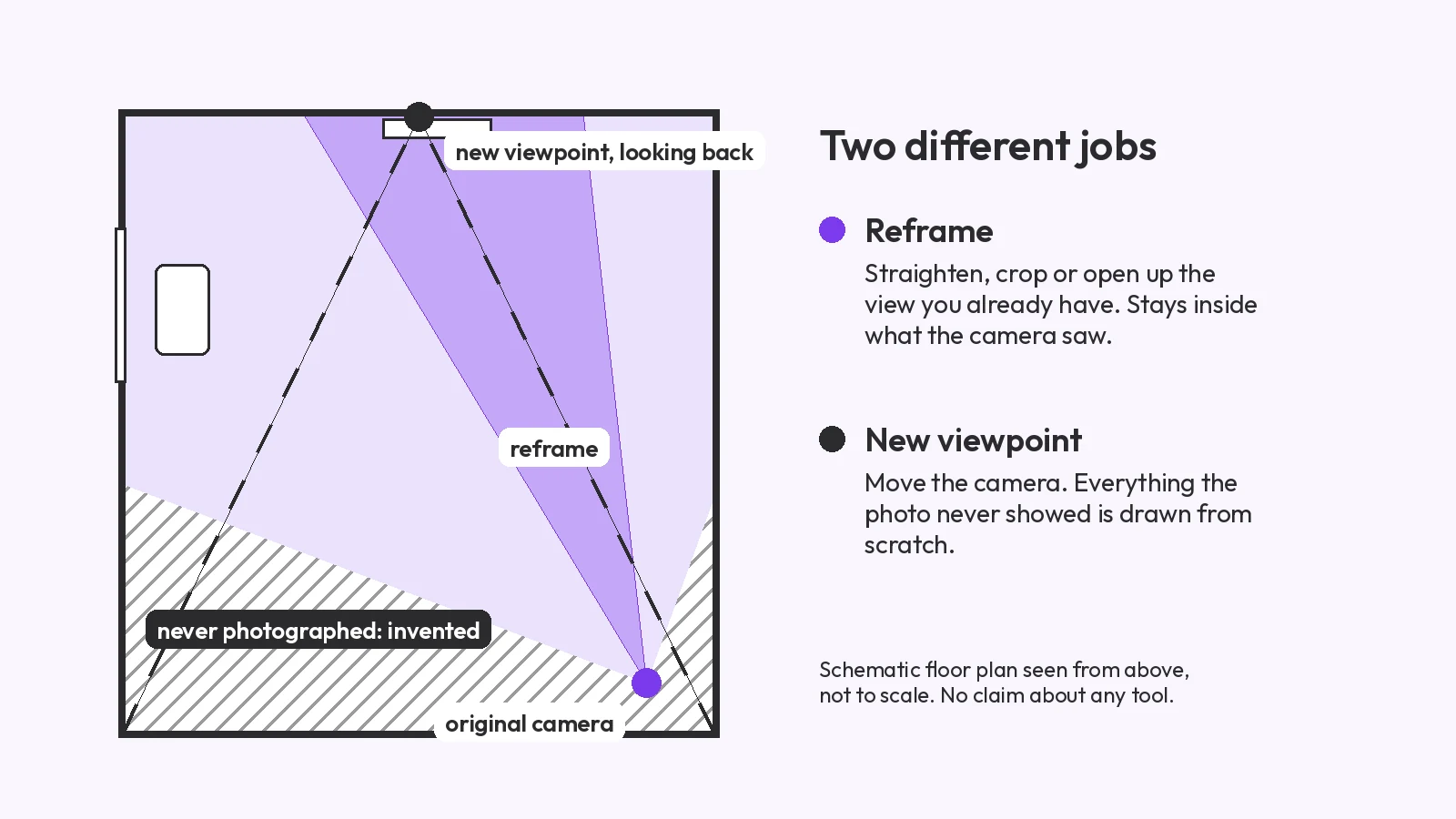
Change the camera angle of a photo with AI: five methods compared, two tested on the same room, and where each one breaks, from reframing to 3D.

LinkedIn headshot tips as five checks: likeness, face size, being alone, background and light, tried on 4 AI headshots from three photos.
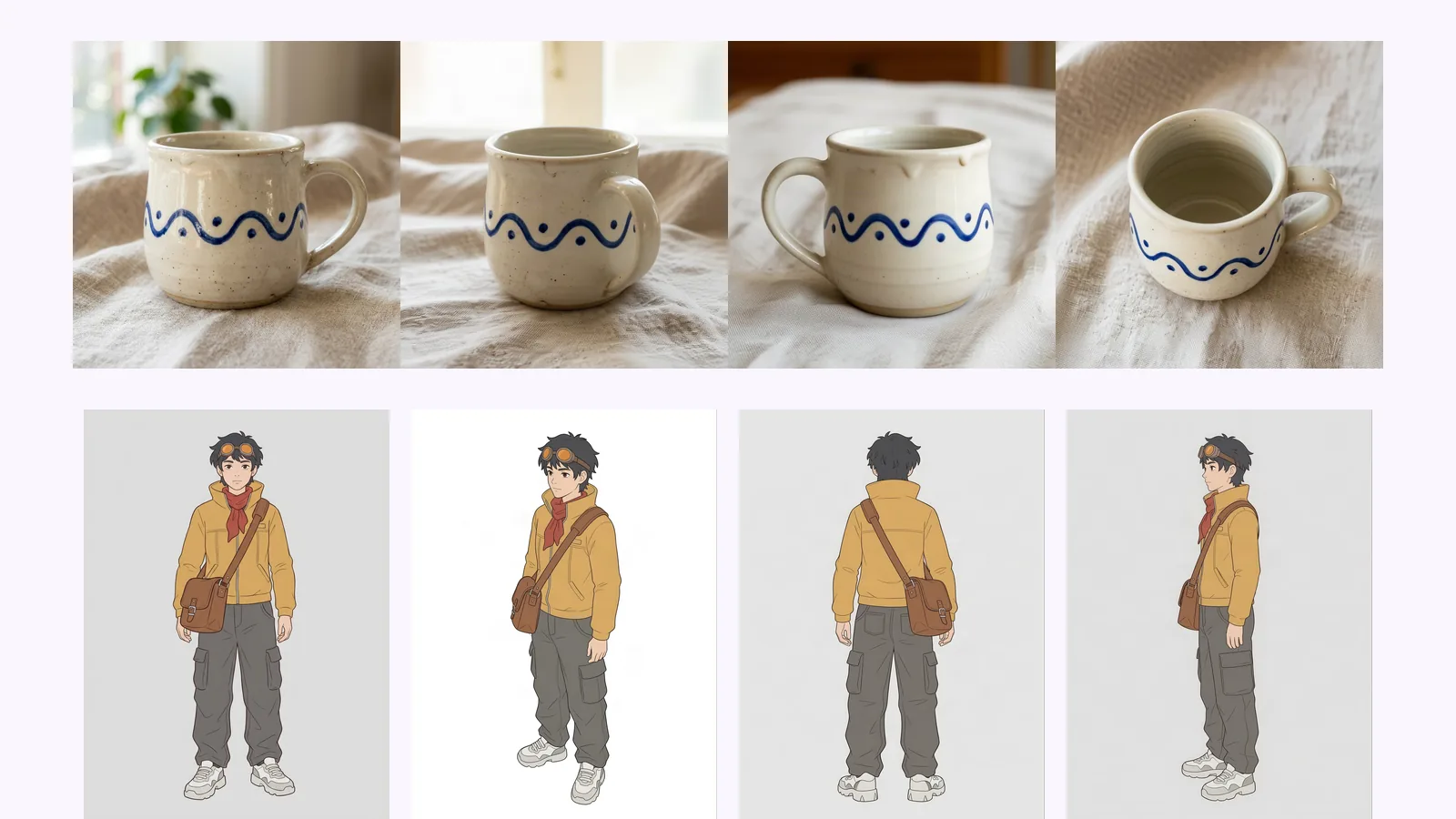
Higgsfield Angles lets you aim the camera; MultiAngle returns a fixed set. What each fits, from Higgsfield's pages and our outputs. We did not run Higgsfield.
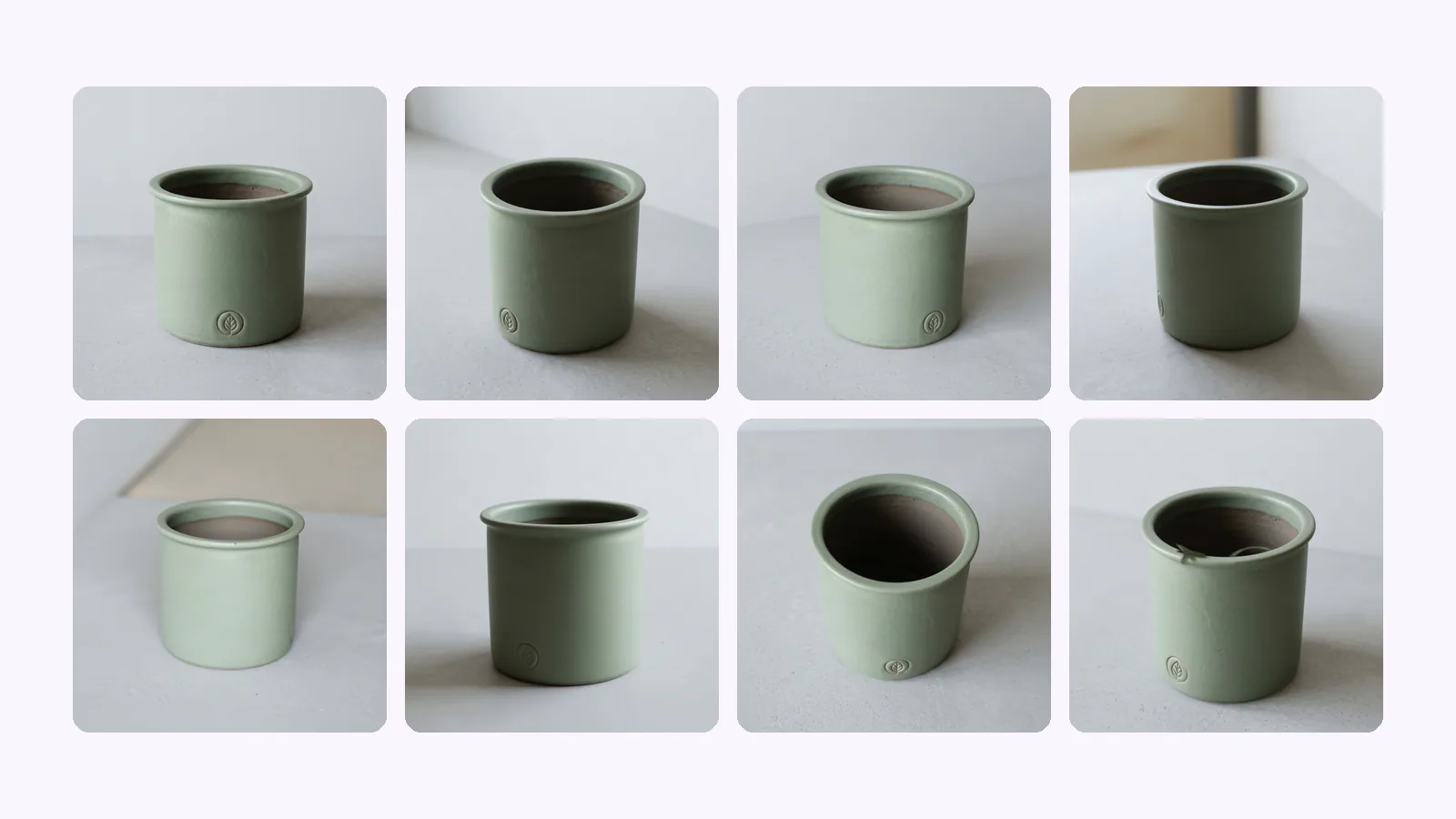
Shopify product image size: 2048×2048 px square is Shopify's pick. The size table, how many images a product holds, which angles to upload, and a checklist.
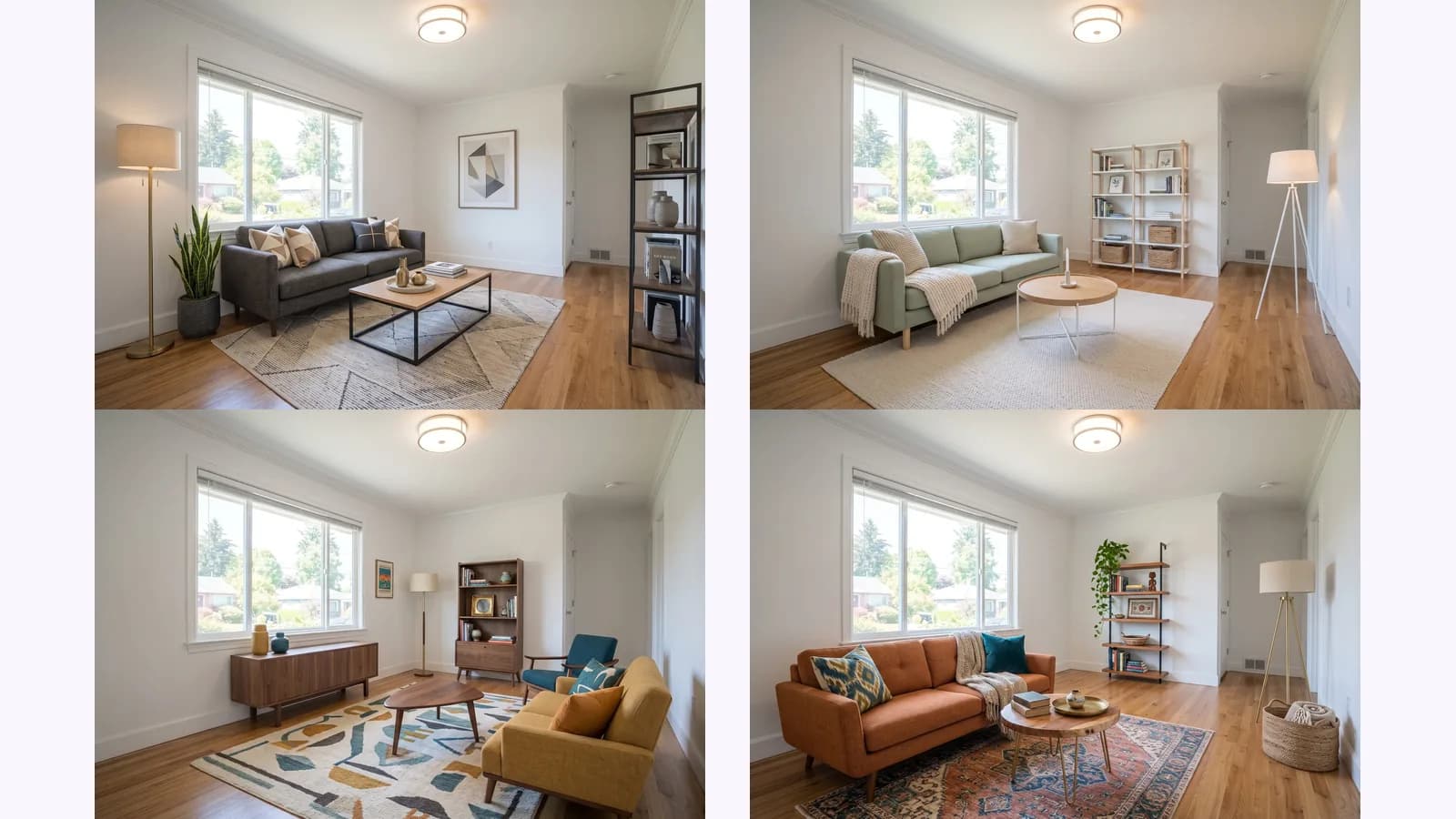
How to virtually stage an empty room: shoot one level corner photo, stage it, then check every change against the original. One room shown in 4 styles.
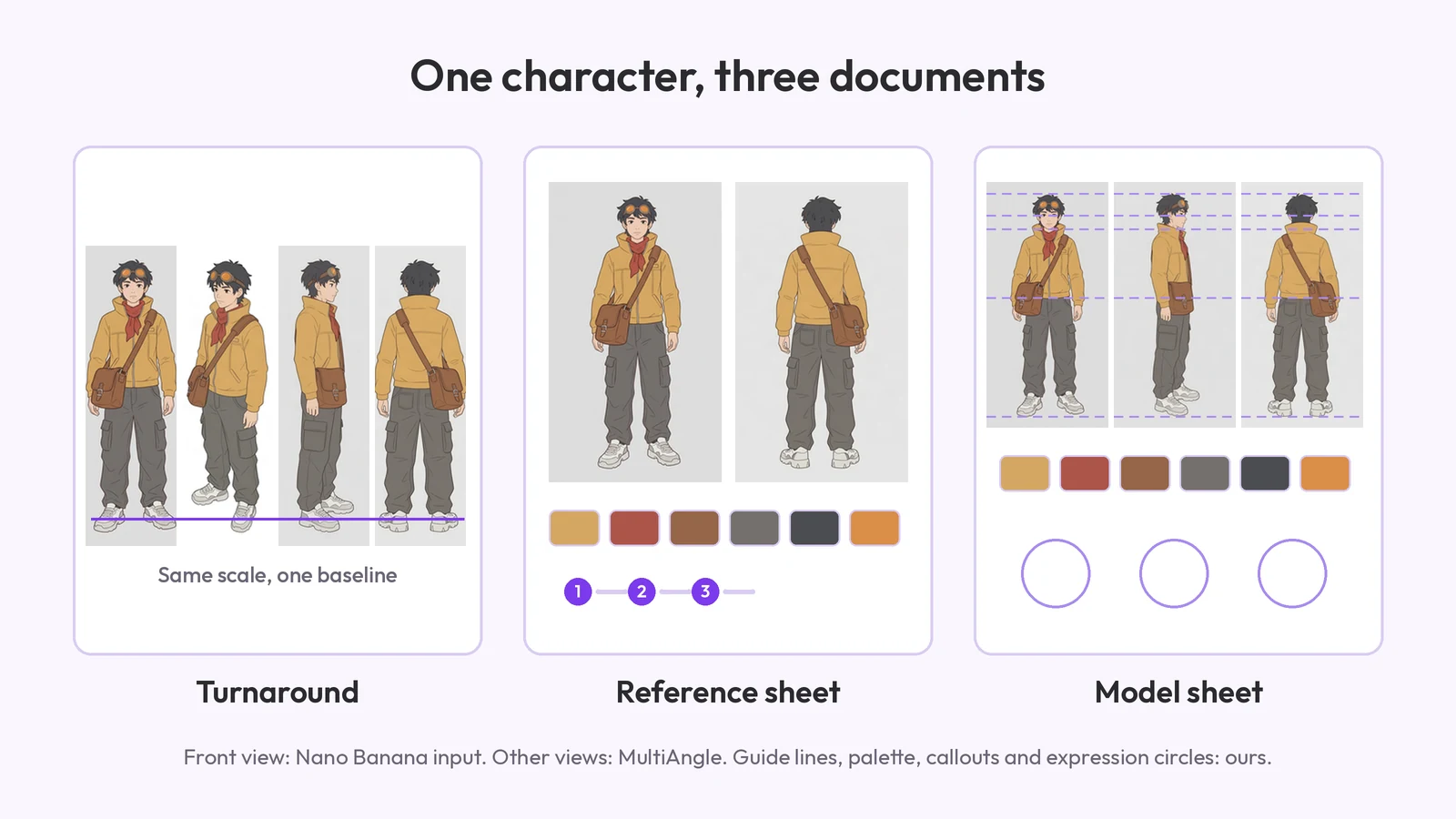
What a character reference sheet is, what goes on it, how to make one step by step, which template to start from, and how it differs from a turnaround.
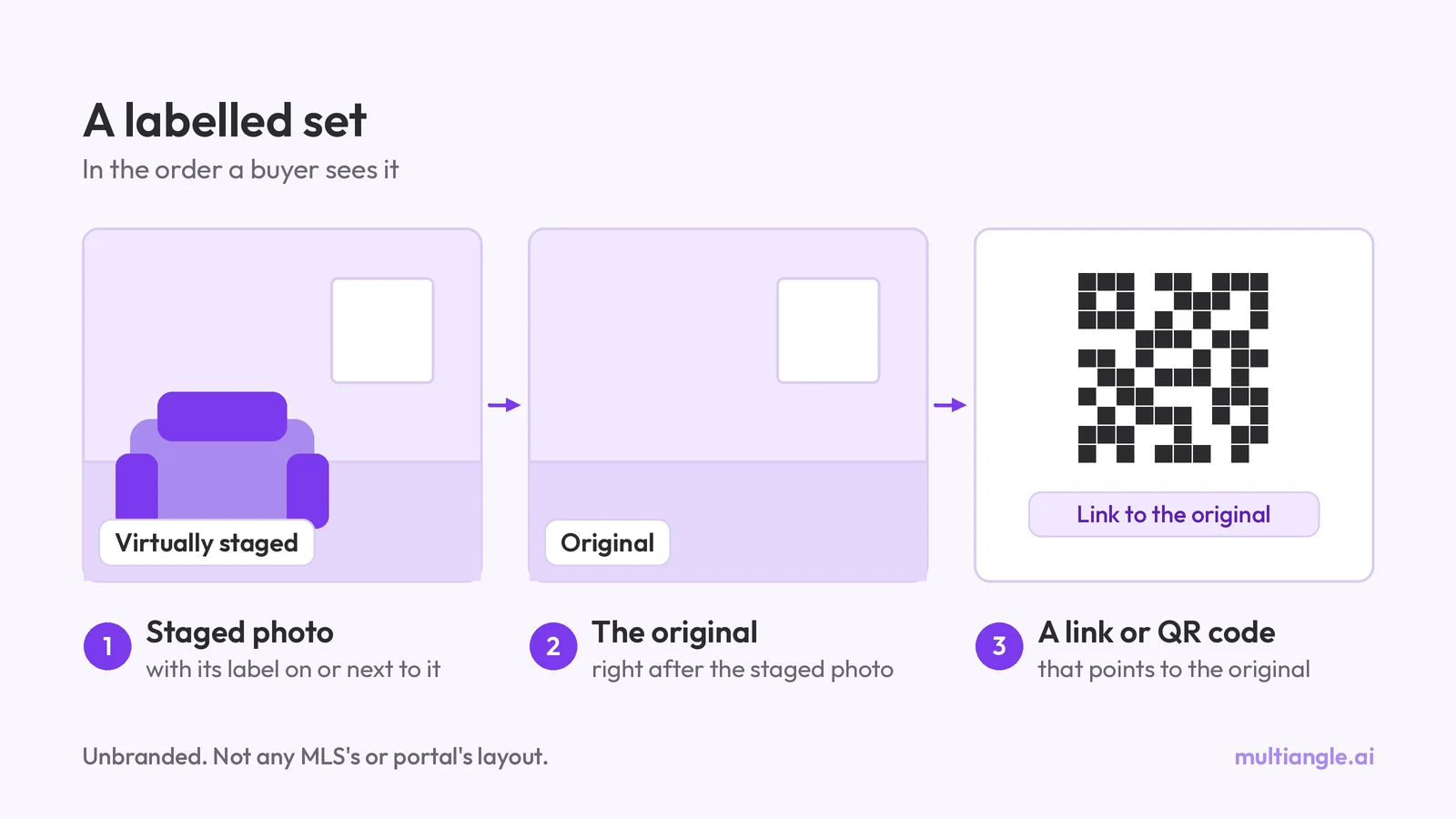
Do you have to disclose virtual staging? What California AB 723, CRMLS, Stellar MLS, NAR and Wisconsin say, quoted and dated. General info, not legal advice.
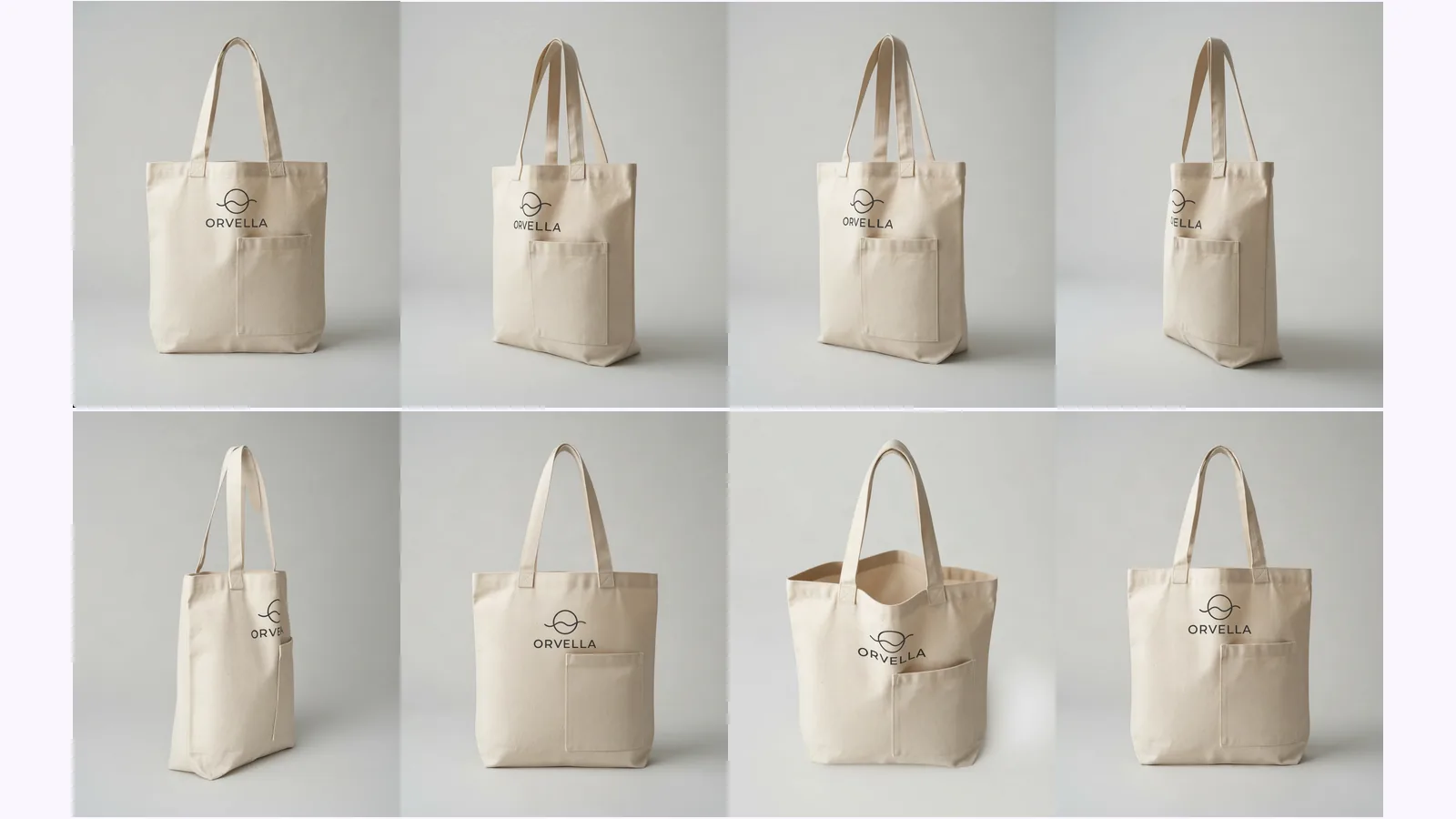
What each shot answers, which to skip by product type, and where AI-made views drift. Shown on one tote, with a pick table for bottles, shoes and bags.
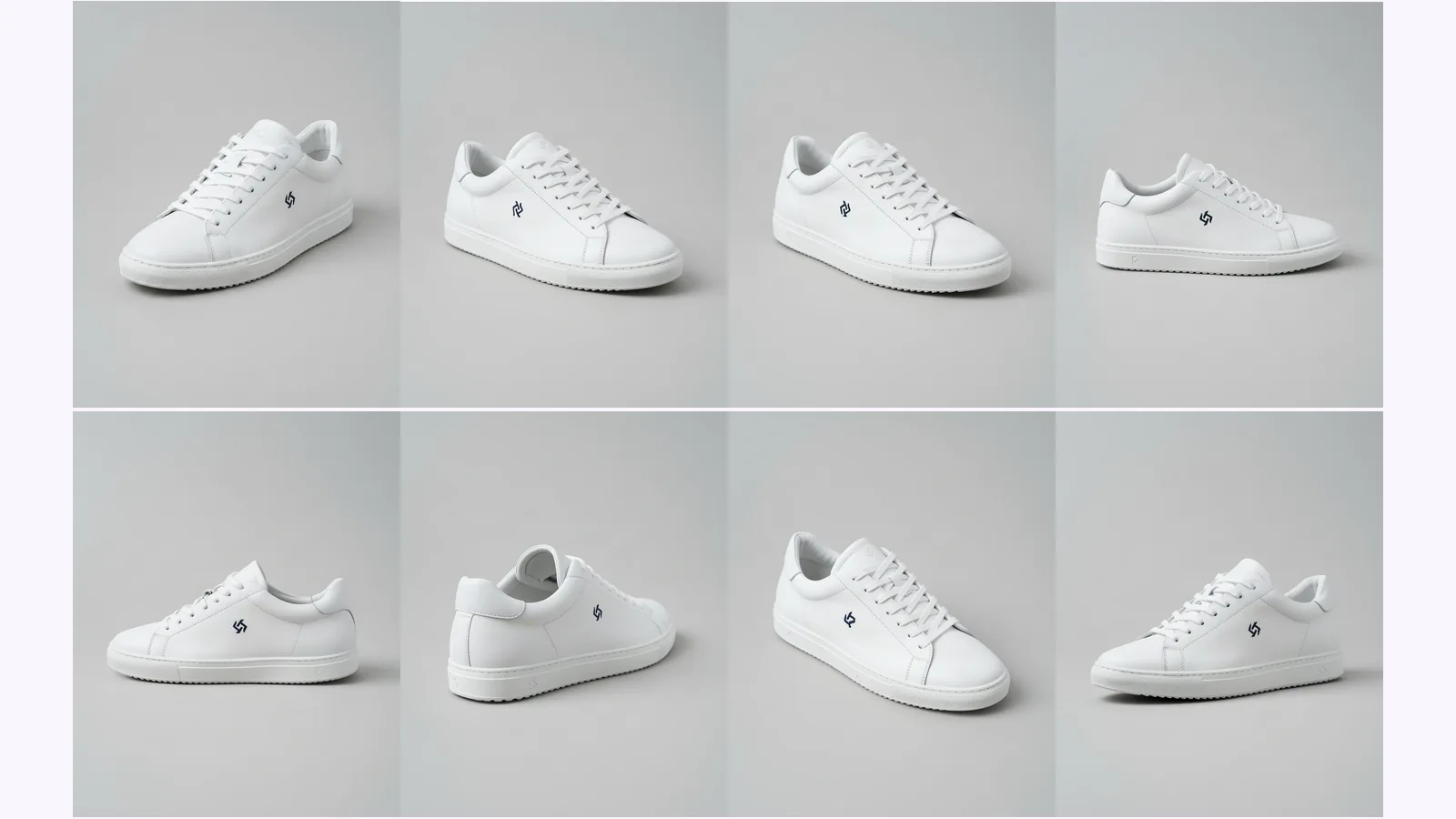
Prompt a chatbot, move a camera slider, or use a fixed angle set to get multiple angles of one image. We ran two on one product: which stayed consistent.
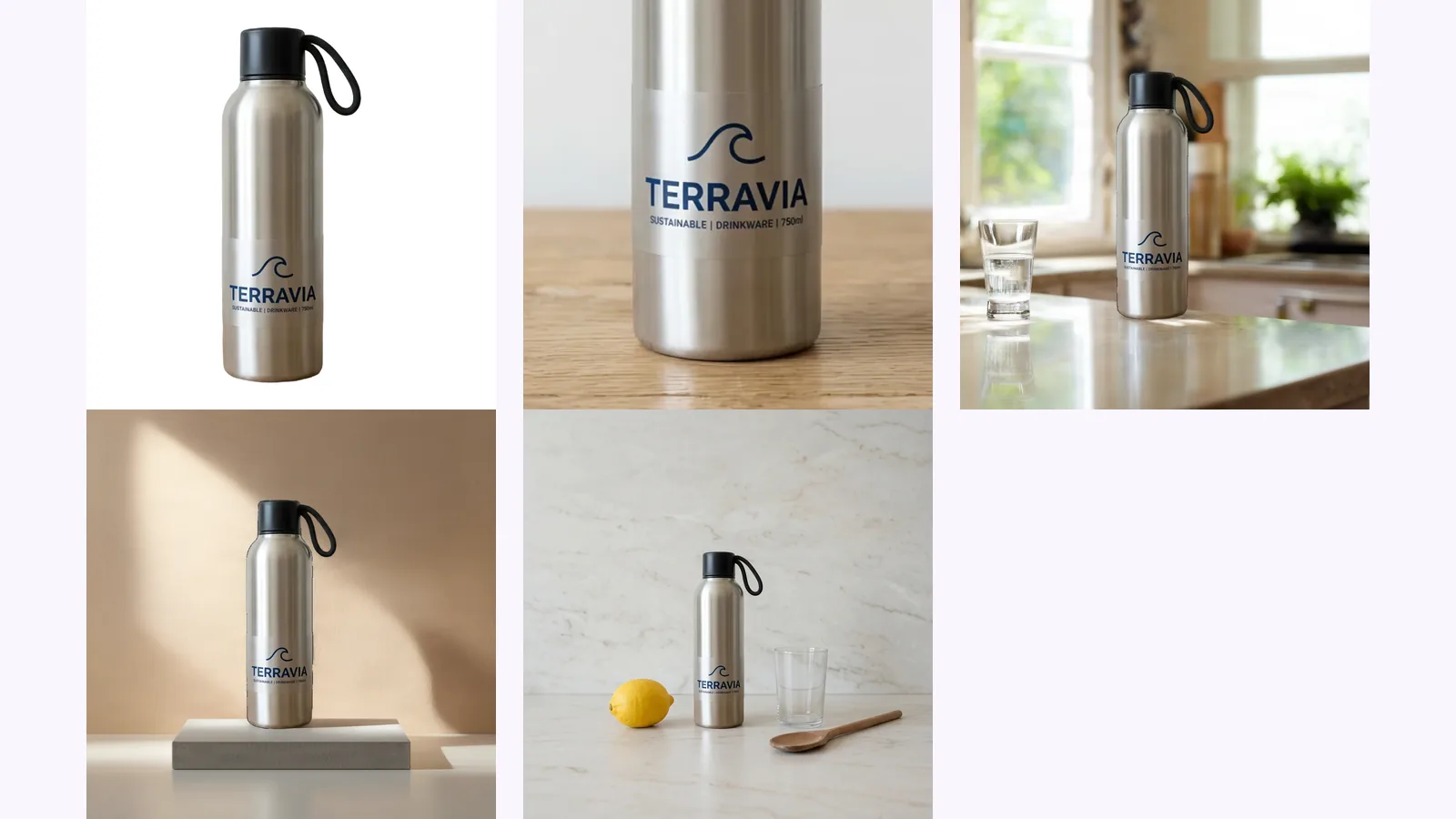
Amazon's image rules, quoted from Amazon and dated: 500–10,000 px, RGB 255 white, 85% fill, how many images a listing needs and the AI-people tag.
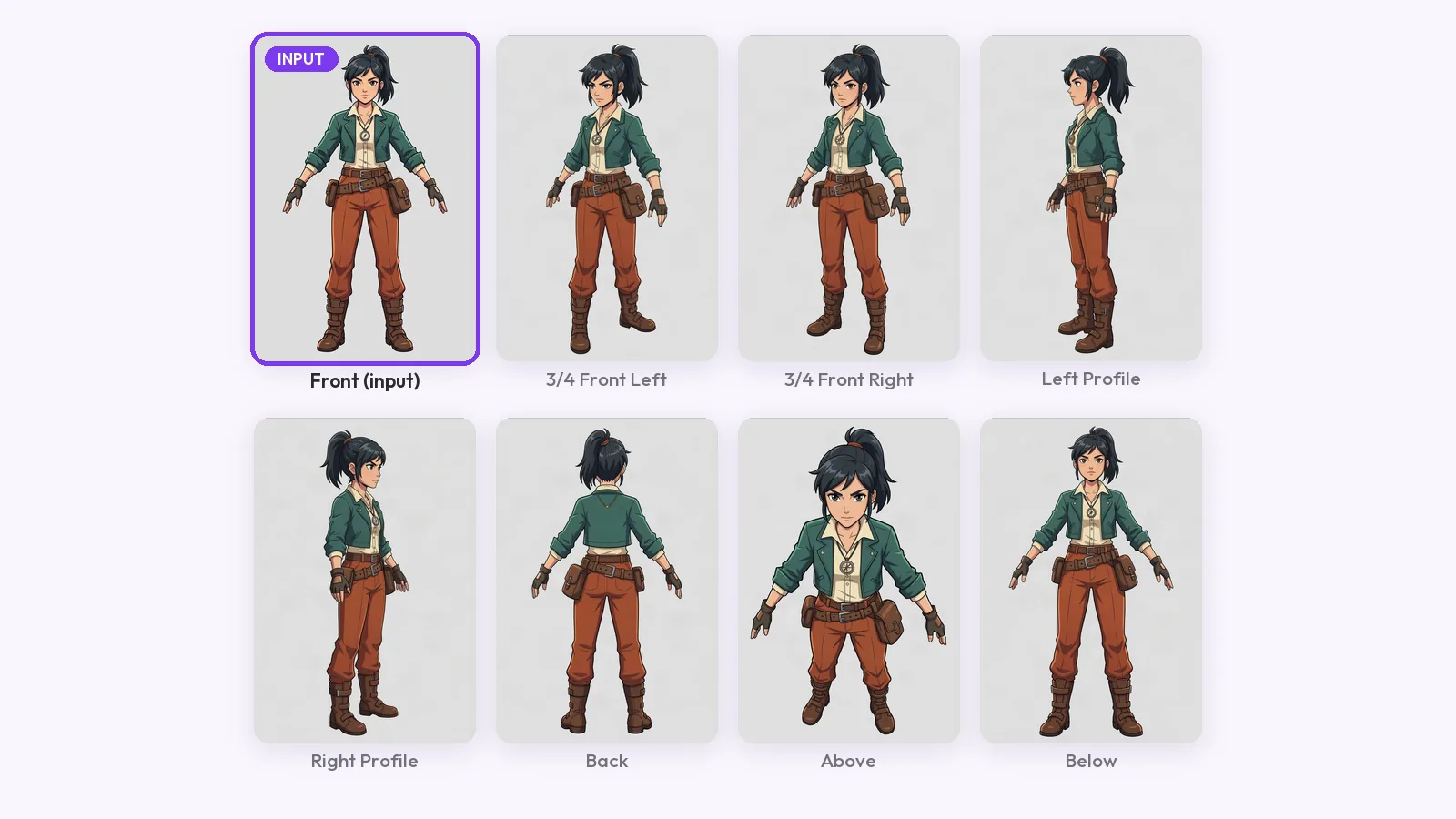
How to make a character turnaround sheet from one drawing: what the input needs, three methods compared, and a guide-line check on every view for AI drift.
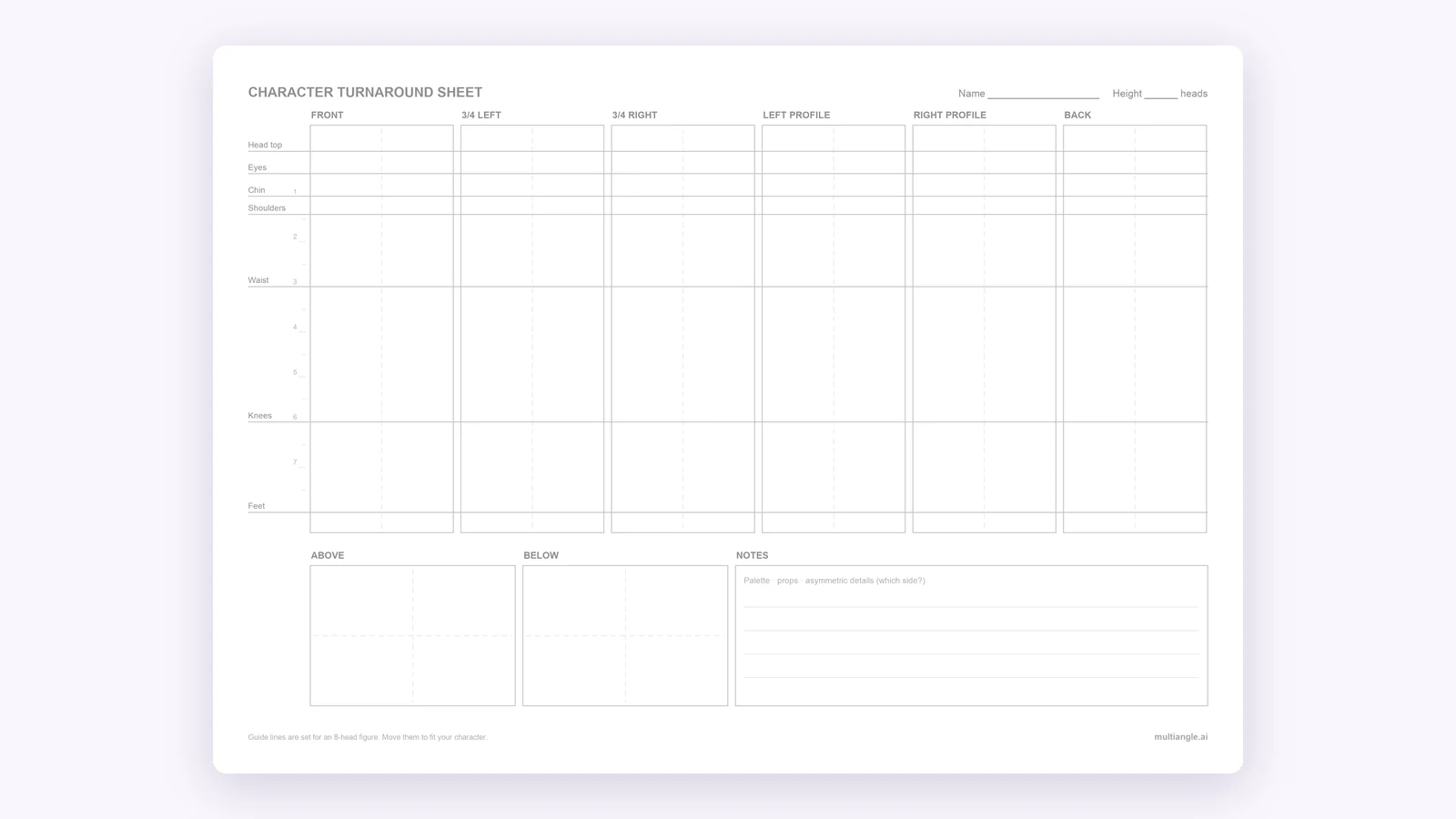
A free blank character turnaround sheet template: 8 panels and 7 shared guide lines, as PNG, PDF and SVG. Fill it by hand or from one drawing.